
Home / Dental Implants Singapore / Am I Suitable for a Dental Implant?
Who Is Suitable for a Dental Implant in Singapore?
The most common misconception about dental implants is that they are only for the young and medically simple. Most adults who are missing a tooth can be assessed for an implant. Suitability depends on clinical factors, not assumptions.
Most adults over 18 with a missing tooth are potential candidates. The core requirements are sufficient bone volume, healthy or treated gums, and the absence of uncontrolled systemic disease. Conditions such as diabetes, osteoporosis, or a history of smoking are risk factors that require discussion — not automatic disqualifiers. Bone volume can be built where it is lacking. The definitive assessment is made from a CBCT 3D scan and clinical examination, not from a photo or an online quiz.
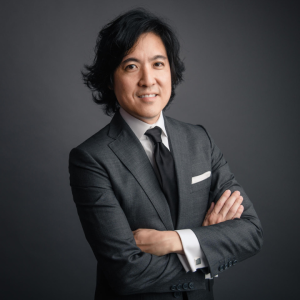 Medically reviewed by
Dr Jonathan Liu
· BDS (NUS) · SDC Reg. D21395J · 25+ Years
Medically reviewed by
Dr Jonathan Liu
· BDS (NUS) · SDC Reg. D21395J · 25+ Years
What Makes Someone Suitable for a Dental Implant?
A dental implant is a titanium fixture placed in the jawbone to replace a missing tooth root. For it to integrate successfully, the body needs to grow bone cells around the titanium surface — a process called osseointegration. The prerequisites for this process are structural and medical, not cosmetic.
There are four primary factors. Each is assessed clinically at consultation, not estimated remotely.
Sufficient jawbone
The implant fixture must be surrounded by bone on all sides. If bone volume is insufficient, grafting can build the foundation before or at the time of placement.
Healthy or treated gums
Active periodontal disease must be stabilised before placement. A history of gum disease does not disqualify a patient, but makes ongoing maintenance more important.
Manageable systemic health
Most systemic conditions are risk factors requiring management, not grounds for automatic exclusion. Controlled diabetes, managed hypertension, and stable osteoporosis are assessed case by case.
Jaw development complete
Implants are generally deferred until jaw growth is complete — typically age 18. There is no upper age limit. The relevant factor is bone quality, not calendar age.
The definitive test is the CBCT 3D scan: bone volume, density, the mandibular canal position, and sinus floor depth can only be accurately mapped in three dimensions. A visual examination or 2D X-ray alone cannot confirm implant suitability.
Age and Dental Implants
Minimum age: 18
Dental implants are generally deferred until jaw development is complete. The jawbone continues growing through adolescence — placing an implant in a growing jaw risks bite changes, spacing problems, and implant submersion as surrounding natural teeth continue to erupt.
The Singapore clinical consensus places the practical minimum at 18. Growth completion is confirmed by comparing two dental X-rays taken six to twelve months apart — if the bone pattern is stable, jaw maturity is confirmed.
In rare cases, a young patient with a missing front tooth may receive a temporary restoration until the jaw is fully mature, at which point a permanent implant can be placed.
No upper age limit
There is no maximum age for dental implant placement. Implants are routinely placed in patients in their seventies, eighties, and beyond — provided bone quality, gum health, and general medical fitness are appropriate.
Older patients may experience slightly slower bone healing. This does not affect long-term integration outcomes in well-managed cases. The clinical question is always: is this patient's bone density, cardiovascular health, and medication profile consistent with a straightforward implant placement?
For patients aged 60 and above, MediSave remains claimable for the surgical fixture. Flexi-MediSave (from 1 June 2026) covers root canal treatment and permanent crowns on natural teeth — not the implant or implant crown. Confirmed at consultation.
Bone Volume and Gum Health
These are the two structural foundations of a successful implant. Both are assessed at first consultation. Both can be addressed if they are not initially adequate.
Bone volume
The working thresholds for implant placement are a bone height above approximately 8mm and width above approximately 5mm at the implant site. These are clinical guidelines, not hard rules — the implant system, angle of placement, and planned crown position all affect the precise requirements.
Bone is lost progressively after a tooth is extracted — typically 25% of horizontal width within the first year, with further loss over time. The sooner an implant is placed after extraction, the more bone is typically preserved. Where bone has been lost, a graft can rebuild the site before or at the time of placement.
How it is assessed: CBCT 3D imaging maps bone volume, density, the exact position of the mandibular canal (lower jaw nerve), and the sinus floor (upper jaw). A 2D OPG panoramic X-ray cannot provide this level of detail.
Gum health
Active periodontal disease — infection of the tissues and bone supporting the teeth — must be treated and stabilised before an implant is placed. The bacteria that cause periodontal disease also cause peri-implantitis, the inflammation and bone loss that is the leading cause of long-term implant failure.
A history of treated periodontal disease does not disqualify a patient. It does mean that long-term implant maintenance — regular professional cleaning, consistent home hygiene — becomes more important, not less.
How it is assessed: Periodontal probing measures pocket depth around teeth. Bleeding on probing indicates active disease. X-rays assess bone levels. Where treatment is needed, it is completed before implant planning proceeds.
Medical Conditions and Dental Implants
The question patients most often ask is whether a particular health condition means they cannot have an implant. In most cases, the answer is not a simple yes or no — it is a matter of clinical management. The International Team for Implantology (ITI) and international dental bodies classify most systemic conditions as relative contraindications, not absolute ones.
The table below covers the conditions that arise most often in Singapore implant consultations. Every case requires individual clinical assessment.
| Condition | Impact on implants | Clinical position |
|---|---|---|
| Diabetes (controlled) | Impaired healing and higher infection risk if blood sugar is poorly controlled. Well-controlled diabetes (HbA1c ≤7%) is associated with outcomes comparable to non-diabetic patients. | Not a disqualifier. Pre-surgical HbA1c review recommended. Medical clearance where indicated. |
| Smoking | Reduces blood supply to healing tissue. Increases risk of peri-implantitis and early implant failure (approximately 2.6× higher failure rate in smokers vs non-smokers, per published meta-analysis). | Not a disqualifier. Cessation strongly recommended — ideally 8 weeks before surgery and through the healing period. Risk is disclosed and documented at consultation. |
| Osteoporosis | Reduced bone density may affect osseointegration. Bisphosphonate medications (taken for osteoporosis) carry a small risk of osteonecrosis of the jaw (MRONJ), particularly with intravenous forms. | Not a disqualifier. Oral bisphosphonate history reviewed — risk is approximately 0.5% in pooled studies. IV bisphosphonate history requires specialist evaluation before proceeding. |
| Anticoagulant therapy (blood thinners) | Affects bleeding management during and after surgery. Patients should not stop prescribed medication without medical advice — stopping anticoagulants carries its own serious risks. | Not a disqualifier. Medical liaison with prescribing physician. Local haemostatic measures used during surgery. Dosing schedule reviewed pre-operatively. |
| Hypertension | Controlled hypertension does not materially affect healing outcomes. Uncontrolled hypertension increases surgical risk and may require deferral until stable. | Not a disqualifier if well controlled. Blood pressure confirmed prior to surgery. Patients on calcium channel blockers may experience gum overgrowth, which is managed as needed. |
| Radiotherapy (head/neck) | Radiation to the jaw reduces bone vascularity and impairs healing. Risk of osteoradionecrosis. Higher implant failure rates in irradiated bone. | Relative contraindication — specialist OMS assessment required. Timing of implant placement relative to radiation schedule is critical. Each case assessed individually. |
| Bruxism (teeth grinding) | Excessive load on the implant crown during grinding can accelerate crown wear and stress the implant-bone interface over time. | Not a disqualifier. Nightguard fabrication recommended to protect the crown and implant after restoration is complete. |
| Active periodontal disease | The same bacteria implicated in gum disease cause peri-implantitis. Active disease must be treated before implant placement. | Defer implant until gum disease is stabilised. History of treated disease does not disqualify, but requires rigorous ongoing maintenance. |
Source: ITI Consensus Statements; AAOMS Position Paper on MRONJ (2022); Chen et al., Journal of Dentistry, 2024 (smoking meta-analysis). Individual risk is assessed at clinical consultation — this table is for general patient education only.
Conditions that generally do not affect suitability
- Controlled hypertension
- Controlled thyroid conditions
- Mild to moderate anaemia
- Controlled asthma
- History of cancer not involving the jaw or oral cavity
- Antiplatelet therapy (aspirin) — managed surgically
Conditions requiring specialist review before proceeding
- Intravenous bisphosphonate therapy
- Prior head/neck radiotherapy
- Immunosuppressive drug therapy
- Active chemotherapy
- Uncontrolled diabetes (HbA1c >9%)
- Uncontrolled bleeding disorders
“The question I am most often asked is: ‘Am I too old, or too medically complex, for an implant?’ In most cases, the honest clinical answer is: we do not know until we look at the bone. A controlled medical condition and a healthy amount of available bone are a far better starting point than youth and no bone at all.”
— Dr Jonathan Liu · Principal Dentist and Founder · BDS (NUS) · SDC Reg. D21395J · 25+ Years
Preparatory Treatment — What May Be Needed First
Not every patient proceeds directly from consultation to implant surgery. A proportion of cases require preparatory treatment — either to build the bone foundation, resolve active infection, or stabilise systemic factors. These are not complications; they are part of a planned sequence that makes the implant more likely to succeed long-term.
Bone graft
Where bone volume is below the threshold for implant placement, a bone graft rebuilds the site. Grafting material may be synthetic, bovine-derived, or from another site in the mouth. Healing typically takes three to six months before the implant can be placed. Where bone loss is minimal, grafting and placement may be performed simultaneously. MediSave claimable under TOSP SB803M where performed as a standalone procedure.
Dentalis: from S$800 before 9% GST.
Sinus lift
Upper back teeth sit close to the maxillary sinus. Where bone height beneath the sinus is insufficient for an implant, a sinus lift raises the sinus membrane and places graft material to build additional bone. Healing takes four to nine months. Unilateral sinus lift: MediSave claimable under TOSP SB802M. Bilateral sinus lift: TOSP SB814M.
Dentalis: from S$1,000 before 9% GST.
Periodontal treatment
Active gum disease must be treated and the inflammation resolved before an implant is placed. Treatment may include scaling and root planing (deep cleaning), antibiotic therapy, or surgical debridement where pocket depths are severe. A period of stability is typically required before implant placement is scheduled. CHAS subsidies may apply to scaling and polishing at enrolled clinics.
Tooth extraction may also be required where a failing tooth is still present. Immediate implant placement (at the time of extraction) is possible in selected cases where bone is adequate and infection is not present. This reduces the overall treatment timeline and may help preserve the socket architecture. Confirmed from CBCT assessment.
Suitability Checklist
This checklist is for patient orientation only. Clinical suitability is confirmed by the dentist after examination and CBCT imaging — not by any online checklist. It helps patients understand which factors will be discussed at consultation.
Factors that generally support candidacy
Age 18 or above, jaw development complete
One or more missing or failing teeth
Gums that are healthy or have been treated
No active mouth infection
Controlled systemic conditions (diabetes, hypertension, osteoporosis)
Willingness to maintain regular professional cleaning after restoration
Non-smoker, or prepared to cease smoking before and during healing
Factors that require clinical assessment before proceeding
Bone loss at the implant site (CBCT confirms extent — bone grafting often resolves this)
Active gum disease (must be treated and stable before implant placement)
Uncontrolled diabetes (HbA1c must be stabilised before surgery)
Bisphosphonate or denosumab medication — disclose at consultation, specialist review where indicated
Prior head or neck radiotherapy — specialist OMS assessment required
Bruxism (nightguard planned post-restoration, not a disqualifier)
Smoking (risk discussed and documented; cessation strongly recommended)
What Happens at the Candidacy Consultation
A candidacy assessment at Dentalis is a clinical examination, not a sales presentation. It takes approximately 30–45 minutes and proceeds in a fixed sequence. Nothing is scheduled until you have a clear picture of your clinical situation and costs.
Step 1 — S$80
Clinical examination
Dr Jonathan Liu reviews your dental and medical history, examines your teeth, gums, and bite, and identifies the site requiring restoration.
Step 2 — S$150
CBCT + digital scan
3D bone mapping with in-house CBCT imaging confirms bone volume, density, nerve canal position, and sinus proximity. The iTero Lumina Pro digital scan captures occlusal and crown position data simultaneously.
Step 3
Treatment plan
A treatment plan with itemised fees, confirmed MediSave entitlements, and the proposed sequence (including any preparatory treatment) is provided before any procedure is booked.
Step 4
Your decision
No pressure. No waitlist. Treatment is scheduled only when you are ready. Dental implants, bone grafting or sinus lifting caes are seen by both Dr Jonathan Liu and visiting Oral and Maxillofacial Surgeon Dr Albert Lee Ming Hsien (F.A.M.S., SDC D22238J).
Dentalis is MediSave-accredited and CHAS-enrolled. MediSave may be claimed for the surgical fixture placement under TOSP SB816M (S$1,120 per implant + S$830 consumables per session). The crown, abutment, consultation, and scan are not MediSave-claimable. Full MediSave guide for implants →
Dental Implant Candidacy — Frequently Asked Questions
No. There is no upper age limit for dental implants. The relevant factors are bone quality, gum health, and general medical fitness — not calendar age. Implants are placed in patients in their seventies, eighties, and beyond where the clinical picture is appropriate. Suitability is confirmed at consultation with CBCT imaging.
Yes, in most cases. Controlled diabetes (typically HbA1c at or below 7%) is not a disqualifier for implant placement. Poorly controlled blood sugar impairs wound healing and increases infection risk. A pre-surgical HbA1c review is recommended and, where indicated, medical clearance from your physician. The clinical position is confirmed at consultation.
Yes, but smoking is a significant risk factor. Published meta-analyses report implant failure rates approximately 2.6 times higher in smokers compared with non-smokers. The risk is greatest during the healing phase. Cessation — ideally starting eight weeks before surgery — meaningfully reduces the risk. The risk profile is documented and discussed at consultation. Smoking does not automatically disqualify a patient.
Not necessarily. Bone loss does not automatically disqualify a patient. Where bone volume is below the threshold for direct implant placement, a bone graft can rebuild the site before or at the time of placement. The extent of bone loss and whether grafting is required is confirmed from CBCT imaging — not from a visual examination or 2D X-ray. Bone grafting is MediSave-claimable under TOSP SB803M when performed as a standalone procedure.
Bisphosphonate medication does not automatically exclude implant treatment. The main concern is medication-related osteonecrosis of the jaw (MRONJ), which has a pooled estimated incidence of approximately 0.5% in patients on oral bisphosphonates who receive implants. Risk is substantially higher with intravenous bisphosphonates, which requires specialist OMS evaluation before proceeding. Disclose your medication history at consultation — this information guides the clinical decision, not a blanket exclusion.
The Singapore clinical consensus places the minimum age at 18, when jaw development is typically complete. Placing an implant in a growing jaw risks bite changes, spacing problems, and implant submersion as surrounding teeth continue to erupt. In borderline cases, jaw maturity is confirmed by comparing two dental X-rays taken six to twelve months apart.
If bone grafting is required as a separate stage before implant placement, the full timeline extends to approximately nine to twelve months: three to six months for graft healing, then four to six months from implant placement to final crown. Where grafting is performed simultaneously with placement (possible in selected cases), the overall timeline is closer to four to six months. The staging plan is confirmed at consultation based on CBCT findings.
A consultation is the right starting point. At Dentalis, the first visit (S$80) includes a clinical examination and medical history review. If a CBCT scan is taken at the same visit (S$150), you leave with a definitive picture of your bone volume and an itemised treatment plan with confirmed costs. Nothing is scheduled until you are ready.
References
Clinical information on candidacy criteria, systemic risk factors, and implant outcomes cited below. This page provides general patient education and does not constitute clinical advice.
- Chen L et al. — Smoking in relation to early dental implant failure: a systematic review and meta-analysis. Journal of Dentistry, 2024. Pooled OR 2.59 for early implant failure in smokers vs non-smokers (32 studies, 59,246 implants).
- Ruggiero SL et al. — American Association of Oral and Maxillofacial Surgeons Position Paper on Medication-Related Osteonecrosis of the Jaw. 2022 Update. MRONJ estimated incidence approximately 0.5% following implantation in oral bisphosphonate patients.
- International Team for Implantology (ITI) — Consensus Statements on systemic conditions and implants. ITI Treatment Guide series. Risk stratification framework for diabetes, smoking, osteoporosis, and other conditions as relative contraindications.
- CPF Board — MediSave for hospitalisation and surgery. TOSP SB803M (bone graft) claimability confirmed. Day surgery: up to S$830 per day.
- MOH Singapore — Table of Surgical Procedures (TOSP), as of 1 January 2024. SB816M dental implant placement; SB803M bone graft; SB802M sinus lift unilateral; SB814M bilateral sinus lift.
Reviewed by Dr Jonathan Liu, BDS National University of Singapore · SDC Registration D21395J · Principal Dentist and Founder, Dentalis · 25+ years clinical experience · 10,000+ patients
Candidacy criteria referenced against ITI Consensus Statements, AAOMS MRONJ Position Paper (2022), and Singapore clinic clinical practice norms as of August 2026. MediSave figures sourced from CPF Board MediSave Withdrawal Limits (effective 1 April 2025) and MOH TOSP (as of 1 January 2024). Rated 5.0 from 141 Google reviews. Last reviewed: August 2026. Next review: February 2027.
This guide provides general patient education and does not constitute clinical advice or a treatment quote. Suitability is confirmed only after in-person clinical assessment and CBCT imaging. All fees before 9% GST and subject to revision without prior notice. This page provides factual information in accordance with the Healthcare Services (Advertisement) Regulations 2021. Dentalis is a MediSave-accredited and CHAS-enrolled private dental clinic at 52 Craig Rd, Tanjong Pagar, Singapore 089690. Maxwell MRT (TE18, Exit 3) · Tanjong Pagar MRT (EW15) · Outram Park (EW16/NE3/TE17).
A Consultation Is the Right Place to Begin.
A clinical assessment at Dentalis confirms your bone volume, gum health, and medical suitability — with a CBCT scan, a treatment plan and confirmed costs before anything is scheduled.
Nothing is scheduled until you are ready.
Consultation S$80 · CBCT & digital scan S$150 · All before 9% GST · Mon–Fri 9am–6pm · Sat 9am–1pm · 52 Craig Rd, Tanjong Pagar · Maxwell MRT (TE18)