
The Ultimate Clear Aligner Guide · Explained by Dr Jonathan Liu
Clear Aligners Singapore —
Complete Guide to All Brands, Costs & What to Expect (2026)
Everything you need to know about clear aligner brands available in Singapore — Invisalign, Zenyum, Angel Aligner, Smartee and more. Prices from S$760 to $10,791, case suitability, treatment models, and how to choose.
The Short Answer
What Are Clear Aligners and What Do They Cost in Singapore? Clear aligners are custom-fabricated, removable orthodontic trays that shift teeth through a calibrated sequence of stages. In Singapore, patients can access a wider range of clear aligner systems than most comparable markets — from Invisalign, Angel Aligner, and Smartee (all full in-clinic systems) to hybrid app-monitored options such as Zenyum, Smilogy, and Dr Clear Aligners, and Singapore-developed systems including ClearSmile, TrioClear, Aurora, and StraitUp. Limited entry programmes may advertise prices under S$1,000, while comprehensive treatment commonly ranges from S$2,500 to above S$10,000, depending on brand, case complexity, provider, and what is included — all before 9% GST. Clear aligner therapy is not covered by MediSave or CHAS. This guide covers confirmed Singapore-available systems, others where direct verification is recommended, and major global systems available elsewhere — so you can make a properly informed decision.
At a Glance
Clear Aligners in Singapore — Key Facts
Singapore Price Range
S$760 – S$10,000+
Across all brands and tiers, before 9% GST. Comprehensive treatment typically S$2,500–S$9,000. At Dentalis: Invisalign from S$2,800.
Treatment Duration
4 – 24+ Months
Minor corrections: 4–7 months. Moderate cases: 8–18 months. Complex comprehensive: 24 months or longer.
Brands in Singapore
12 Confirmed
Invisalign, Zenyum, Angel Aligner, Smartee, ClearCorrect, Aurora, TrioClear, ClearSmile, Smilogy, OneSmile, StraitUp, Maestro.
Daily Wear Required
20 – 22 Hours
Remove only for eating, hot drinks, and oral hygiene. Compliance is a major determinant of outcome. Varies by system and clinician instruction.
MediSave & CHAS
Not Applicable
MediSave and CHAS do not cover orthodontic treatment, including clear aligner therapy. International health insurance may include an orthodontic benefit — verify with your insurer.
Regulatory Requirement
SDC Oversight
All providers must be registered with the Singapore Dental Council. Verify at sdc.gov.sg. Clear aligners are medical devices subject to HSA regulations.
ORTHODONTIC FUNDAMENTALS
What Are Clear Aligners?
Clear aligners are removable dental appliances made from thermoplastic material, worn over the teeth. Each aligner tray applies controlled pressure to move specific teeth incrementally toward the planned final position. Trays are typically changed every one to two weeks, depending on the system and clinician instruction. At the end of the active treatment phase, post-treatment retainers are prescribed and should be worn consistently to prevent relapse.
The mechanics of tooth movement are the same regardless of brand. What differs is the material, the planning software, the clinical workflow — specifically how closely your dentist is involved — and the types of tooth movement each system can reliably achieve. A high-quality clinical assessment, not brand selection alone, is the starting point for any successful outcome.
Treatment Process
Clear Aligner Treatment — Step by Step
From first appointment to retention: what to expect at Dentalis and at any reputable clear aligner provider in Singapore.
Clinical assessment
Your dentist takes a full clinical history, assesses your teeth, gums, bite, and jaw relationship, and discusses your treatment objectives. At Dentalis, this includes Facial Harmony Planning — evaluating how changes in tooth position will affect your overall facial profile, not just your dental arch.
Diagnostic records
An intraoral scan replaces physical impressions in most modern workflows. A panoramic X-ray (OPG) and, where clinically indicated, a cephalometric X-ray or CBCT are taken to assess root positions, bone levels, and jaw structure before any treatment is planned.
Digital treatment simulation
Using ClinCheck (Invisalign) or the brand-equivalent planning software, your dentist plans the full tooth movement sequence digitally before a single tray is made. You review the virtual outcome and agree the plan before fabrication begins.
Treatment plan and fee confirmation
Before you commit, your dentist confirms the planned stages, estimated treatment duration, what is included in the quoted fee, and what is billed separately — including refinements, attachments, IPR, and retainers.
Aligner fabrication and fitting
Trays are manufactured and you collect your first set. If your plan includes attachments, these are placed at this appointment. Manufacturing timelines vary by brand — from five days (Smilogy) to two weeks or more for international platforms.
Active treatment
You change trays every one to two weeks. Your dentist reviews progress at scheduled intervals — typically every six to eight weeks — to confirm your teeth are tracking to plan. Some systems supplement in-clinic visits with remote app-based monitoring between appointments.
Refinements
If tooth movement falls behind plan, or additional movement is needed, refinement trays are prescribed. Whether these are included in the original fee or billed separately depends on your provider and plan — confirm this in writing before starting.
Retention
When active treatment ends, a retainer is fitted. Nighttime retainers are required indefinitely to prevent teeth returning to their pre-treatment positions. This is not optional and does not have a defined end date.
Clinical Approach
Treatment Models — How Clear Aligner Systems Differ
How clear aligner systems differ in clinical approach
Full In-Clinic
The dentist or orthodontist plans and supervises the entire treatment course. Appointments include assessment, attachment placement, IPR, and regular monitoring. Required for anything beyond simple anterior corrections.
Examples: Invisalign, Angel Aligner, Smartee, ClearCorrect
Hybrid / App-Monitored
Initial assessment at a partner clinic; progress tracked via a smartphone app with fewer in-person visits. Best suited to mild to moderate anterior corrections in appropriate candidates.
Examples: Zenyum, Dr Clear Aligners, Smilogy, OneSmile
Alternative-Model Programme
Entry-level programmes with a compressed treatment scope and lower headline price. Suitable only for the simplest corrections. Should not be compared directly with comprehensive aligner therapy.
Examples: StraitUp
Every treatment approach in Singapore should include a clinical assessment by an SDC-registered dentist and appropriate diagnostic records. Patients should have access to in-person clinical care throughout their treatment.
Complete Brand Reference
Clear Aligner Brands — Singapore Availability (2026)
The Singapore clear aligner market is unusually diverse for a city-state of its size. Patients can access global platforms backed by decades of clinical data (Invisalign, ClearCorrect), large Asian manufacturers with growing international footprints (Angel Aligner, Smartee), an Australian brand with AI-monitoring technology (Smilogy), Singapore-developed and locally manufactured systems (Aurora, ClearSmile, TrioClear, Maestro, StraitUp), and hybrid digital programmes that reduce in-clinic appointments (Zenyum, Dr Clear Aligners, OneSmile). Several multi-brand orthodontic clinics in Singapore offer two or more systems within a single practice. This breadth of choice gives Singapore patients more options than many comparable markets — but brand name alone is a poor proxy for clinical quality or case appropriateness.
Not every name in this guide represents the same type of entity. Some are global aligner manufacturers. Some are regional consumer brands. Some are locally manufactured systems. Others are clinic-linked treatment programmes built around a specific delivery model. Understanding which category a brand falls into helps you evaluate the clinical infrastructure behind the product.
Singapore Clear Aligner Brands — Full Market Reference
| Brand | Type | Origin | Case Scope | Treatment Model | Starting Price (before GST) | Halal | Children |
|---|---|---|---|---|---|---|---|
| Invisalign | Global | USA (Align Technology) | Simple to complex — widest scope | Full in-clinic | From S$2,500 (Some clinics) / S$2,800 (Dentalis) / S$3,400 official SG | No | Yes (First, aged 6+) |
| Angel Aligner | Global | China | Mild to complex; 1M+ patients | Full in-clinic | From S$1,700 | Halal formulation | Yes (aged 7+) |
| Smartee | Global | China | Simple to complex; GS for jaw discrepancy | Full in-clinic | From S$2,800 | No | Yes |
| ClearCorrect | Global | USA (Straumann) | Mild to complex | Full in-clinic | ~S$2,500 est. | No | No |
| Smilogy | GlobalApp | Australia | Mild to moderate | Hybrid AI ScanBox | Confirm at consultation | No | Yes |
| Aurora | SG | Singapore | Simple to moderate-complex (E/M/X) | Full in-clinic | From S$2,400 | No | No |
| ClearSmile | SG | Singapore | Simple to moderate-complex | Full in-clinic | ~S$2,500–S$5,000 est. | No | No |
| TrioClear | SG | Singapore | Mild to complex | Full in-clinic | ~S$2,500–S$4,500 est. | No | No |
| Maestro | Clinic | Singapore | Mild to complex; locally made | Full in-clinic | S$2,400 nett (6 months) | No | No |
| Zenyum | SGApp | Singapore / makeO | Mild to moderate; Pro for complex | Hybrid app | From S$2,790 | No | No |
| StraitUp | SGClinic | Singapore | Simple to complex (provider claim) | Alt. programme | From S$760 | No | No |
| OneSmile | GlobalApp | International | Mild to complex; Halal-certified | Hybrid app + in-clinic | From S$2,100 | Globally certified | No |
| Dr Clear Aligners | SGApp | Singapore | Mild to moderate | Hybrid app | From S$2,350 | No | No |
| MBrace (SDS) | SG | Singapore | Mild to complex; locally made | Partner clinic | Enquiry required | No | No |
| Beame | Global | Hong Kong | Mild to moderate | Hybrid | From ~S$2,199 | No | No |
| WonderSmile | SG | Singapore | Mild to moderate | Hybrid / confirm | From ~S$1,950 est. | No | No |
Technology & Features Comparison
| Brand | Planning Software | Tray Material | Remote Monitoring | Attachments | Expansion |
|---|---|---|---|---|---|
| Invisalign | ClinCheck (Align Technology) | SmartTrack® | Align virtual care platform | SmartForce® (complex) | Palatal Expander |
| Angel Aligner | MasterForce | angelButton, angelAttach | No | Yes | No |
| Smartee | Smartee Digital | Smartee Mandibular Repositioning Technology | No | Yes | No |
| ClearCorrect | ClearPilot (Straumann) | ClearQuartz™ | No | Yes | No |
| Smilogy | AI-assisted + ScanBox | Proprietary (Australian) | AI ScanBox app | Yes | No |
| Aurora | Proprietary | Proprietary | No | Yes (X tier) | No |
| ClearSmile | Proprietary | Proprietary | No | Yes | No |
| TrioClear | Proprietary | TrioDim Force™ | No | Yes | No |
| Maestro | Orthodontist-planned, local lab | Proprietary | No | Yes | No |
| Zenyum | Zenyum platform | Proprietary | Zenyum app | Limited | No |
| Dr Clear Aligners | AI-assisted | Proprietary | DCA app | Limited | No |
| StraitUp | Proprietary | Proprietary | Remote monitoring | Limited | No |
| OneSmile | AI-driven Dental Monitoring | Proprietary; recyclable | 24/7 AI app | Yes | No |
Key Brand Profiles
Invisalign — Align Technology, USA
The longest-established clear aligner system globally. Align Technology’s Singapore website references 22 million+ patient smiles worldwide. Uses proprietary SmartTrack® thermoplastic and SmartForce® features — precision attachments, bite ramps, precision cuts — enabling a broader case complexity range than most competing systems. ClinCheck® 3D software plans the full tooth movement sequence before fabrication. Align also offers a virtual care platform for clinician-based treatment monitoring between appointments.
Product range in Singapore: Express, Lite, Moderate, Comprehensive, First (aged 6–10), Palatal Expander, Mandibular Advancement with Occlusal Blocks (SG availability from 2025).
Zenyum — Merged with makeO Toothsi 2026
Founded in Singapore in 2018, Zenyum merged with India-based makeO Toothsi in early 2026. Singapore operations and partner clinic network continue under the Zenyum brand. In 2026, Zenyum launched ZenyumClear Pro, a fourth tier for more complex malocclusions under closer clinician supervision. Hybrid model: in-clinic initiation, app-monitored progress. See also: Invisalign vs Zenyum Singapore.
Angel Aligner — China, 20+ years, 1M+ patients
A clinician-directed aligner system with more than two decades of clinical history and over one million patients treated globally. Available in Singapore through a dedicated multi-brand orthodontic clinic. Product range includes a paediatric variant (aged 7+) and a Halal-certified formulation. The manufacturer and some regional providers position the system around treatment experience in Asian populations — this represents commercial positioning; patients should weigh it alongside available comparative clinical evidence.
Smartee — China, est. 2004; 1M+ cases, 47 countries
An extensive product line from entry-tier corrections (GE Mini for simple spacing and crowding) to Smartee GS, a specialised mandibular-repositioning solution for jaw discrepancies and extraction-avoidance cases. The broader Smartee range covers routine spacing, crowding, crossbite, open bite, protrusion, and deep bite across children and adults. Available in Singapore through a dedicated multi-brand orthodontic clinic.
ClearCorrect — Straumann Group, USA
Full in-clinic clear aligner system backed by more than 70 years of Straumann Group heritage — one of the world’s leading implant and dental technology companies. Treats mild to complex malocclusions. Available at select multi-brand clinics in Singapore.
Smilogy — Australian origin; Singapore via partner network
An Australian-developed clear aligner system drawing from 87+ years of Australian dental industry experience. Launched in Singapore through an exclusive partner dental network with clinics islandwide. Uses AI-integrated ScanBox technology — a remote scanning device allowing patients to track progress from home, reducing in-clinic appointments while maintaining clinical oversight. Manufacturing turnaround: five days. All Singapore cases are overseen by SDC-registered dentists. Case scope: mild to moderate.
Aurora Aligner — Singapore
Singapore brand with an in-clinic supervision model. Three tiers: Aurora E (simple), Aurora M (moderate), Aurora X (moderate to complex). Published website pricing may date from a 2021 promotion — confirm current fees directly.
ClearSmile — Singapore-manufactured and distributed
ClearSmile Asia Pte. Ltd. is a Singapore-registered company (est. 2016) that manufactures and distributes clear aligners locally, with regional distribution across Singapore, Malaysia, Thailand, and Philippines. Treats crowding, crossbite, spacing, deep bite, overbite, and bite correction. Full in-clinic model with SDC-registered dentists.
TrioClear — Modern Dental Laboratory Singapore Pte Ltd
Developed by Modern Dental Laboratory (Singapore) Pte Ltd, with presence in Singapore, Taiwan, Hong Kong, and global markets. Three-step clear aligner protocol. Works exclusively through SDC-registered dentists. Includes the Ecodont® retainer — 100% recyclable, BPA-free. Case scope: mild to complex, subject to clinical assessment.
StraitUp — Singapore, dentist-manufacturer partnership
Founded by orthodontic specialists with 20+ years of clinical experience. StraitUp’s model is a seamless partnership between dentists and its own aligner-manufacturing laboratory — providing direct access to the manufacturer without the intermediary costs of large global platforms. Local manufacturing enables faster responsiveness and lower-cost production. Remote monitoring reduces in-person appointments while maintaining clinical oversight.
Maestro — Singapore-manufactured, provider-linked system
Locally manufactured aligner system offered through a Singapore orthodontic provider, with treatment planned by an orthodontist and aligners produced at a local dental laboratory. Published packages: S$2,400 (6 months) / S$3,600 (one year) / S$4,800 (two years). Fees are stated as nett by the provider — confirm whether 9% GST is additional.
OneSmile — World’s only Halal-certified clear aligner
Available at select clinics in Singapore including specialist orthodontic practices. OneSmile is the world’s only Halal-certified clear aligner system — a meaningful distinction for patients requiring Halal-compliant treatment materials. Aligners are 100% recyclable. Progress monitored via 24/7 AI-driven Dental Monitoring app, reducing in-clinic visits while maintaining clinical oversight.
Dr Clear Aligners — Singapore-founded 2020
A Singapore-founded brand (launched April 2020), now among the fastest-growing aligner companies in Southeast Asia. Operates a hybrid model: AI-driven app monitoring supplemented by in-clinic scans and assessments through its partner clinic network. Mid-market positioning relative to Invisalign, with tiered pricing by case complexity.
Beame — Hong Kong brand (HK No.1 dental beauty brand
A Hong Kong-headquartered dental brand offering clear aligners and other dental services. In Singapore, Beame aligners are available from S$2,199. The Singapore offering uses the same Beame digital treatment planning and aligner materials as the HK operation, with local clinical oversight and a compact 3-visit model (initial consultation, aligner collection, end of treatment).
MBrace — Singapore-manufactured, est. 25 Nov 2013
Locally manufactured. Established November 2013. Partner clinic distribution.
Market Overview
Global vs Singapore — Full Brand Market View
| Brand | Type | Origin | Global Presence | Singapore Status | Treatment Model |
|---|---|---|---|---|---|
| Invisalign | Global | USA | Extensive (22M+ smiles) | Confirmed | Full in-clinic |
| Angel Aligner | Global | China | International, 1M+ patients | Confirmed | Full in-clinic |
| Smartee | Global | China | 47 countries | Confirmed | Full in-clinic |
| ClearCorrect | Global | USA (Straumann) | International | Confirmed | Full in-clinic |
| Smilogy | GlobalSG | Australia | SG + international | Confirmed (partner network) | Hybrid |
| Aurora | SG | Singapore | SG primarily | Confirmed | Full in-clinic |
| ClearSmile | SG | Singapore | SG + SEA | Confirmed | Full in-clinic |
| TrioClear | SG | Singapore | SG + TW + HK + global | Confirmed | Full in-clinic |
| Maestro | Clinic | Singapore | SG only | Confirmed | Provider-linked |
| Zenyum | SGApp | Singapore / makeO | SEA and Asia | Confirmed | Hybrid |
| StraitUp | SG | Singapore | SG only | Confirmed | Alt. programme |
| OneSmile | GlobalApp | International | Global | Confirmed | Hybrid + in-clinic |
| Dr Clear Aligners | SGApp | Singapore | SEA | Verify | Hybrid |
| Beame | Global | Hong Kong | HK + limited SG | Verify | Hybrid |
| MBrace | SG | Singapore | SG only | Verify | Provider-linked |
| Spark | Global | USA (Ormco/Danaher) | International | Not confirmed in SG* | Full in-clinic |
| CandidPro | GlobalApp | USA | US only | Not available | Provider-led hybrid |
| SureSmile | Global | USA (Dentsply Sirona) | International | Not identified | Full in-clinic |
| Clarity Aligners | Global | USA (3M) | International | Not identified | Full in-clinic |
| Byte | Global | USA (Dentsply Sirona) | US (suspended 2024) | Not available | Former DTC |
| SmileDirectClub | Global | USA | Defunct Dec 2023 | Defunct | Former DTC |
*Spark is an established international aligner system. Although available through provider networks in many countries, no current patient-facing Singapore provider network could be confirmed in the sources reviewed as of July 2026. If you are researching Spark, check the Ormco provider locator directly — this status may change.
SmileDirectClub filed for Chapter 7 bankruptcy in December 2023 and ceased all operations entirely — including treatment monitoring, replacement aligner supply, and retainer production. If you were mid-treatment when the company shut down, consult an SDC-registered dentist for an assessment and plan to complete or stabilise your case.
Invisalign vs Angel Aligner vs Smartee — Three Major In-Clinic Systems
All three are dentist-driven, full in-clinic systems covering complex cases. The choice depends on case type, clinical complexity, and provider expertise.
| Invisalign | Angel Aligner | Smartee | |
|---|---|---|---|
| Origin | USA (Align Technology) | China | China (est. 2004) |
| Track record | 25+ years, 22M+ patient smiles worldwide | 20+ years, 1M+ patients globally | 20+ years, 1M+ cases, 47 countries |
| Best suited for | Widest scope: children to adults, simple to complex. Benchmark system. | Mild to complex; Halal formulation available | Simple to complex; GS for jaw discrepancies and surgical-avoidance |
| Paediatric | Yes (First, aged 6+; Palatal Expander) | Yes (aged 7+) | Yes |
| SG provider | Multiple clinics including Dentalis | Dedicated SG partner clinic | Dedicated SG partner clinic |
| SG price (before GST) | From S$2,500 (Some clinics) / from S$2,800 (Dentalis) / from S$3,400 official | S$1,700–S$9,800 | S$2,800–S$9,800 |
| Digital platform | ClinCheck + Align virtual care | MasterForce | Smartee Digital |
Quick Reference — If You Want… Consider…
| If you want… | Consider… |
|---|---|
| Lowest advertised price | StraitUp (from S$760) |
| Widest case scope and most clinical evidence | Invisalign |
| Hybrid app monitoring with fewer clinic visits | Zenyum, Smilogy, Dr Clear Aligners, OneSmile |
| Singapore-manufactured aligners | ClearSmile, TrioClear, Maestro, StraitUp |
| Australian-developed system | Smilogy |
| Jaw discrepancy or surgical-avoidance | Smartee GS, Invisalign Mandibular Advancement |
| Halal-certified system | OneSmile (globally Halal-certified), Angel Aligner (Halal formulation) |
| Children aged 6–10 | Invisalign First + Palatal Expander |
| Children aged 7+ | Angel Aligner KiD |
| Complex adult case with bite element | Invisalign, Angel Aligner, Smartee, ClearCorrect |
| Mid-range with full in-clinic supervision | Aurora, ClearSmile, TrioClear, ClearCorrect |
| International health insurance coverage | Confirm orthodontic benefit with insurer before selecting provider |
Fee Transparency
Clear Aligner Costs in Singapore (2026)
All prices before 9% GST unless stated otherwise. Published fees typically cover aligner trays and a standard number of clinical appointments. Consultation, diagnostic X-rays, CBCT imaging, extractions, IPR, refinements, and post-treatment retainers are regularly billed separately. Confirm the full scope in writing before committing.
Premium Tier
Invisalign — S$2,500–S$10,791
The benchmark system with the widest case scope and the longest clinical track record. Pricing varies by product tier: Invisalign Express (Relapse) and Invisalign Lite (mild corrections) at the lower end; Invisalign Comprehensive and Full at the top. At Dentalis: from S$2,800 subject to clinical assessment; includes iTero Lumina Pro digital scan and Facial Harmony Planning
Consultation, scans, imaging, refinements and retainers typically priced separately — confirm at assessment.
All Other Systems
Prices based on information according to the manufacturer’s website and published partner clinic fees as of July 2026. Confirm current fees directly before committing.
| Brand / System | Type | Case Scope | Price Range (S$, before 9% GST unless noted) |
|---|---|---|---|
| Angel Aligner | Global | Mild to complex | S$1,700–S$9,800 |
| Smartee | Global | Simple to complex; GS for jaw | S$2,800–S$9,800 (GS: S$6,000–S$9,000 at SG partner clinic) |
| ClearCorrect | Global | Mild to complex | ~S$2,500–S$7,000 est. |
| Smilogy | Global | Mild to moderate (confirm with manufacturer) | From S$2,800; confirm at consultation |
| Aurora | SG | Simple to moderate-complex | S$2,400–S$4,900 (confirm current) |
| ClearSmile | SG | Simple to moderate-complex | ~S$2,500–S$5,000 est. |
| TrioClear | SG | Mild to complex | Consultation required |
| Zenyum | SG | Mild to moderate; Pro for complex | S$2,790–S$4,990; Pro: confirm |
| OneSmile | Global | Mild to complex; Halal | S$2,100–S$6,500 |
| Dr Clear Aligners | SG | Mild to moderate | S$2,350–S$4,800+ |
| Beame | Global | Mild to moderate | From ~S$2,199 |
| StraitUp | SG | Simple to complex (confirm with manufacturer) | S$760–S$2,800 |
| Maestro | Clinic | Mild to complex; locally made | S$2,400–S$4,800 nett (by duration) |
| MBrace | SG | Mild to complex; locally made | Enquiry required |
What drives cost above the quoted base: number of aligner stages, attachment complexity, extractions or IPR required, provider certification tier, whether refinements are included. Always obtain an itemised estimate in writing.
Patients with international health insurance (Cigna, Allianz, Groupe Henner, Alliance MediNet) should verify whether their policy schedule includes an orthodontic benefit. Some comprehensive international plans provide partial coverage. Confirm directly with your insurer and ask about the benefit limit and pre-authorisation requirements. See the dental insurance in Singapore guide.
Clinical Candidacy
Case Suitability — Is Clear Aligner Treatment Right for You?
When clear aligners work well
- Mild to moderate crowding
- Spacing and diastemas
- Anterior rotations
- Overjet and overbite presentations (severity-dependent)
- Selected bite corrections under specialist planning
Compliance is a major determinant of outcomes. Aligners should typically be worn for 20 to 22 hours per day, though this can vary by system and clinician instruction. Consistent under-wearing results in teeth not tracking to plan, extended treatment times, and potentially additional refinement trays.
Current evidence suggests predictability varies by movement type. Complex bodily tooth movement, significant torque, extrusion, and rotations of rounded teeth (canines, premolars) are generally more challenging for aligner systems than for fixed braces. A clinical assessment by an SDC-registered dentist is the only reliable basis for determining whether your specific case is well-suited to aligner therapy and which system is most appropriate.
Candidacy Assessment
Who Is Not a Good Candidate for Clear Aligners?
Clear aligners are not suitable for every patient. An honest assessment of the following factors is part of any responsible treatment planning consultation.
Severe skeletal discrepancy
Where the jaw relationship requires surgical correction (orthognathic surgery), clear aligners alone are not a substitute. In some cases, aligner therapy can optimise dental positions around a surgical plan — but the sequence must be clinician-led.
Uncontrolled periodontal (gum) disease
Orthodontic tooth movement should not begin until gum disease is controlled and stable. Aligner therapy during active periodontal disease can accelerate bone loss.
Multiple extractions in complex cases
Cases requiring several extractions involve biomechanical demands — particularly in closing extraction spaces with bodily movement — that are more reliably addressed by fixed braces. Case-specific assessment is required.
Severe rotations of canines and premolars
Rotations of rounded teeth are among the least predictable movements for clear aligner systems. Significant rotations may require fixed braces, or a combination approach.
Patients unable to commit to prescribed wear time
If a patient cannot commit to wearing aligners for the required hours daily — due to lifestyle, compliance history, or occupation — the outcome will be compromised regardless of which brand is chosen.
Complex bodily movement and significant torque
Bodily translation and root torque require sustained, precisely applied forces over time. These are better managed by well-engaged fixed appliances in most cases.
Impacted teeth requiring surgical exposure
If treatment requires uncovering an impacted tooth and traction over time, a fixed appliance with attachment to the exposed tooth is typically required — not aligners alone.
Growing children (with exceptions)
Conventional aligner therapy is generally not initiated during active jaw growth unless specific orthopaedic expansion systems (such as Invisalign First with Palatal Expander, or equivalent paediatric-specific systems) are indicated. Specialist assessment is required.
If any of these factors apply, a specialist orthodontic referral may be more appropriate than a standard aligner pathway.
Comparison
Clear Aligners vs Fixed Braces
Both systems move teeth by applying calibrated force. The differences lie in how that force is applied, what types of movement each handles most predictably, and how treatment affects daily life. See also: Invisalign vs braces Singapore.
| Factor | Clear Aligners | Fixed Braces |
|---|---|---|
| Aesthetics | Nearly invisible when worn. Preferred by adults and professionals for whom treatment visibility is a factor. | Visually apparent at normal conversational distance, whether metal or ceramic. |
| Removability | Removed for eating, hot drinks, and oral hygiene. Simplifies hygiene access. | Fixed in place throughout treatment. No compliance requirement for wear time. |
| Oral hygiene | Appliance removed entirely for brushing and flossing — straightforward, but requires consistent habits. | Brushing and flossing requires navigating around brackets and wires. Higher hygiene discipline needed. |
| Comfort | Pressure at each tray change, typically most noticeable for 2–3 days. Lower pain scores in early stages vs fixed braces (Li et al., 2023). | Discomfort from wire adjustment and occasional bracket irritation against soft tissue. |
| Compliance | Patient-driven. Must be worn 20–22 hours daily. Under-wearing directly compromises outcome — a major determinant of results. | Passive — always working. No wear-time compliance required from the patient. |
| Case scope | Well-suited to mild–moderate crowding, spacing, and anterior corrections. Improving for complex cases with modern attachment systems. | Reference standard for complex bodily movement, significant torque, extrusion, and severe rotations of rounded teeth. |
| Where each holds the advantage | Adults with lifestyle, aesthetic, or compliance-motivated preference for removable treatment. Prior brace relapse. Mild–moderate corrections. | Complex extractions, skeletal correction, impacted teeth, significant torque or extrusion. Multiple extractions with demanding space closure biomechanics. |
| Cost in Singapore | Broadly comparable for equivalent case complexity. Entry-tier aligner programmes may be less expensive than comprehensive fixed treatment. Neither category is inherently cheaper across all case types. | |
The choice between clear aligners and fixed braces should follow clinical assessment, not preference. A provider who recommends one option based solely on what they offer commercially — rather than what your specific tooth movements require — is not giving you a complete clinical picture.
Subsidies & Coverage
Can You Claim MediSave or CHAS for Clear Aligners?
MediSave does not generally cover orthodontic treatment, including clear aligner therapy. This applies regardless of whether the treatment has an aesthetic or functional indication. For a full overview of what MediSave covers in dentistry, see the MediSave dental guide.
CHAS subsidies do not apply to orthodontic treatment.
Clear-aligner treatment in Singapore should be provided under the care of an SDC-registered dentist, with appropriate examination, diagnostic records, and ongoing access to in-person clinical care. Providers and suppliers should comply with applicable Singapore healthcare service regulations and HSA medical-device requirements. Patients considering lower-cost or remote-monitoring options should ensure that these requirements are met.
Patients with international health insurance should verify whether their policy includes an orthodontic benefit. See the dental insurance in Singapore guide.
Provider Selection
How to Choose a Clear Aligner Provider in Singapore
Verify SDC registration
Every dentist providing clear aligner treatment in Singapore must be registered with the Singapore Dental Council. Verify at sdc.gov.sg. Clear aligners are medical devices; providers should comply with applicable HSA medical-device requirements and Singapore healthcare regulations. Be cautious of services that offer treatment without an appropriate clinical examination, diagnostic records, or access to in-person care from an SDC-registered dentist.
Understand why a clinic chose its system — and whether that reasoning applies to your case
A clinic that operates with one aligner system has either made a deliberate clinical choice or a commercial one. The distinction matters. Dentalis offers Invisalign exclusively — not because it is the only option in Singapore, but because, over years of clinical practice and exposure to multiple systems, the evidence consistently points in the same direction: the SmartTrack® thermoplastic applies more consistent force and does not cut the gumline the way stiffer materials can. The ClinCheck® 3D planning infrastructure provides a level of treatment simulation accuracy that comparable systems have not matched. The attachment system enables more predictable complex movements.
Think of it like choosing between a German car and a Korean car. Both will reach the same destination. The engineering, precision, feel, and long-term reliability are different — and so is the performance at the edges of capability. The right question is not how many brands a clinic carries. It is why this clinician uses this system for a case like yours — and what underpins that clinical judgement.
Ask how the assessment accounts for your face — not just your teeth
Tooth position does not exist in isolation. At Dentalis, assessment begins with Facial Harmony Planning: before any treatment is proposed, Dr Jonathan Liu evaluates how changes in tooth position will affect the overall facial profile — jaw balance, lip support, midline alignment, and the relationship between your teeth and facial structure at rest and in motion. The assessment also includes a bite evaluation.
For patients interested in potentially accelerating treatment, photobiomodulation (PBM) is discussed at the assessment stage. At any consultation, ask: How will this treatment affect my facial profile? What is the plan if my teeth don’t track as expected? Are refinements included in the quoted fee, or billed separately?
Clarify exactly what the quoted fee includes
Consultation, digital scan, CBCT imaging, attachments, extractions, IPR, refinements, and post-treatment retainers are regularly charged separately from the headline aligner fee. A lower starting number does not mean a lower total cost. Ask for an itemised estimate in writing before committing.
Apply caution to fully remote models for anything beyond minor corrections
App-monitored hybrid systems are a reasonable trade-off for mild cosmetic corrections in appropriate cases. For bite correction, complex movements, or attachment-heavy treatment, in-person clinical oversight at regular intervals is clinically necessary — not optional.
For complex cases, consider whether you need a specialist orthodontist
Specialist orthodontists registered with the SDC as dental specialists in orthodontics have completed postgraduate training beyond general dental registration. For complex skeletal discrepancies, impaction cases, or multi-disciplinary treatment involving oral surgery, a specialist-led assessment provides an additional layer of clinical planning rigour.
Quick Guide — Which System for Your Case?
Use this as a starting framework only. A clinical assessment is required to confirm suitability.
Entry cases
Mild crowding, spacing, no bite issues
Budget under S$3,000
StraitUp, Dr Clear Aligners, ZenyumClear
S$3,000–S$5,000
ZenyumClear Plus / Extra, Dr Clear Aligners, Maestro, Aurora M
S$5,000+ full in-clinic
Moderate cases
Some bite element or attachments likely needed
Full in-clinic required
Invisalign, Angel Aligner, ClearCorrect, Aurora X
Clinician-led hybrid
ZenyumClear Pro (where attachment demands are limited)
Complex cases
Jaw discrepancy, Class II or III, multiple refinements expected
Invisalign Comprehensive at Dentalis or other certified provider
Angel Aligner (complex cases, dedicated SG clinic)
Smartee GS (jaw discrepancy, surgical-avoidance)
Specialist orthodontic assessment first
Bite correction
Mandibular advancement — Class II, overjet
Invisalign with Mandibular Advancement and Occlusal Blocks (SG availability from 2025)
Children
Paediatric patient — aged 6–12
Aged 6–10
Invisalign First + Palatal Expander
Aged 7+
Angel Aligner KiD
Specialist paediatric orthodontic assessment strongly recommended
Special requirements
Halal-certified aligner required
OneSmile — world’s only globally Halal-certified clear aligner system (verify current provider)
Angel Aligner — Halal formulation available at dedicated SG clinic
Insurance coverage
International health insurance may include an orthodontic benefit
Confirm orthodontic benefit with your insurer before selecting provider
Ask about approved provider lists, benefit limits, and pre-authorisation requirements
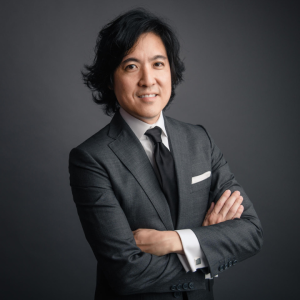
“Clear aligners have shifted the conversation — patients often arrive having already decided on a brand. My job is to redirect that. The relevant question is always what this specific set of teeth needs to move, and which system gives us the most reliable pathway to get there. For some patients that is Invisalign. For others, fixed braces are the more honest recommendation. The system should follow the case, never the other way around.”
Dr Jonathan Liu · Principal Dentist and Founder · BDS (NUS) · SDC Reg. D21395J · 25+ Years · Dentalis, Tanjong Pagar
Clinical Evidence Summary
What Peer-Reviewed Research Says About Clear Aligner Treatment
Pain and comfort
A 2023 systematic review (Li et al., BMC Oral Health) found that patients in clear aligner treatment reported lower pain scores in the first few days after each tray change compared to patients in fixed braces. Oral health-related quality of life (OHRQoL) scores were also higher for aligner patients during treatment.
Satisfaction
A 2024 review (Milling et al., JPBS) found generally positive patient-reported satisfaction outcomes for aligner treatment, but noted that the quality of available evidence varied and that firm conclusions require further high-quality studies.
Predictability
A 2023 systematic review (Kaklamanos et al., IJERPH) found that predictability varied meaningfully by movement type. Routine crowding and spacing corrections showed acceptable outcomes; complex torque, extrusion, and bodily movements were less predictable.
Important limitations
The evidence base is heavily weighted toward Invisalign — it has the longest clinical history and the largest published research volume. Comparative head-to-head studies between aligner brands are limited. Claims by individual brands about clinical superiority over competitors should be evaluated against independently published evidence rather than manufacturer data alone.
What this means for patients
Clear aligners are effective tools for many malocclusions. They are not universally equivalent to fixed braces across all movements and all cases. Case selection, clinical supervision, and compliance remain the primary determinants of a successful outcome — not the brand name on the aligner packaging.
Patient Questions
Frequently Asked Questions
For mild-to-moderate crowding, spacing, and anterior rotations, clear aligners produce outcomes comparable to fixed braces, with research indicating lower early-stage discomfort in some periods (Li et al., 2023). For complex movements — torque, extrusion, and skeletal correction — fixed braces or combination treatment tends to produce more predictable results. The answer depends entirely on what movements your individual case requires.
Singapore prices range from S$760 for limited StraitUp programmes to above S$10,000 for complex comprehensive Invisalign, all before 9% GST. Comprehensive treatment commonly ranges from S$2,500 to S$9,000. Diagnostic scans, attachments, refinements, and retainers are typically not included in the headline price — confirm the full scope in writing before committing.
MediSave does not generally cover orthodontic treatment, including clear aligner therapy. CHAS subsidies do not apply. Patients with international health insurance should verify whether their policy includes an orthodontic benefit — some comprehensive international plans provide partial coverage. Confirm directly with your insurer and ask about the benefit limit and any pre-authorisation requirements.
Minor corrections with entry-tier systems take approximately 4–7 months. Moderate cases typically range from 8–18 months. Complex comprehensive cases may run 24 months or longer. Any timeline estimate given before a clinical assessment should be treated with caution — duration depends on the specific tooth movements required, not the brand name. Nighttime retainers are required indefinitely after treatment ends. See the Invisalign retainers Singapore guide for detail.
Yes. Zenyum merged with India-based makeO Toothsi in early 2026. Singapore operations, the partner clinic network, and the Zenyum product range continue. In 2026, Zenyum also launched ZenyumClear Pro, a new tier for more complex malocclusions under closer clinical supervision.
SmileDirectClub filed for Chapter 7 bankruptcy in December 2023 and ceased all operations entirely — including treatment monitoring, replacement aligner supply, and retainer production. It no longer operates in any market. If you were mid-treatment when the company shut down, consult an SDC-registered dentist for an assessment and a plan to complete or stabilise your case.
For most patients considering orthodontic treatment in Singapore, Invisalign is the most clinically validated option with the broadest published case scope. Align Technology references 22 million+ patient smiles globally — a track record reflecting decades of refinement to the attachment system, planning software, and tray material. For mild anterior corrections on a tighter budget, hybrid app-monitored systems (Zenyum, Smilogy, Dr Clear Aligners, OneSmile) offer a lower-cost entry point with less intensive clinical oversight. For complex cases, a specialist orthodontic assessment is the appropriate first step. Dentalis provides Invisalign as a Certified Provider. Assessment includes iTero Lumina Pro digital scan, Facial Harmony Planning, bite evaluation, and a clear recommendation — including honest referral when a case sits outside the scope of aligner therapy alone.
Aligners cause pressure — particularly in the first two to three days after switching to a new tray — rather than the wire-related discomfort associated with fixed braces. A 2023 systematic review found aligner patients reported lower pain scores in the early stages of treatment compared to fixed appliance patients (Li et al., BMC Oral Health, 2023). Discomfort typically diminishes after the initial adjustment to each new tray. See the Does Invisalign Hurt guide for a breakdown by treatment stage.
Book a Consultation
Ready to Find Out Which Clear Aligner Is Right for You?
Dr Jonathan Liu provides a clinical assessment — including facial harmony planning, bite evaluation, and an honest recommendation. At Dentalis, 52 Craig Rd, Tanjong Pagar.
Tel: 6425 9395 · hello@dentalis.clinic
Clinical Sources
References
Peer-reviewed studies and regulatory sources cited in this guide.
- Li Q et al. — Pain experience and oral health-related quality of life: clear aligner vs fixed appliances. BMC Oral Health. 2023;23:920. PMID 38001455. Systematic review cited for comfort comparison, patient-reported outcomes, and vs braces section.
- Milling TS et al. — Patient-reported outcomes and satisfaction: clear aligners vs fixed appliances. JPBS. 2024;16(S2):S1017–S1021. PMID 38882823. Review of patient satisfaction outcomes; informs evidence summary.
- Kaklamanos EG et al. — Outcomes of clear aligner treatment: a systematic review. IJERPH. 2023;20(4):3537. PMID 36834235. Systematic review of clinical predictability; informs case suitability and contraindications sections.
- Singapore Dental Council — Public Register of Dentists. SDC.gov.sg. Cited for SDC registration verification guidance throughout this guide.
About This Guide
How This Guide Was Researched and Reviewed
Medically Reviewed by
Principal Dentist and Founder · BDS (NUS) · SDC Reg. D21395J · Certified Invisalign Provider · 25+ Years of Clinical Experience · 10,000+ patients
Brand availability, pricing, and technology data for this guide were cross-referenced against current brand websites, published partner clinic fees, and independent research sources as of July 2026. Availability and pricing change over time; verify directly with any provider before committing. Last reviewed: July 2026. Next scheduled review: January 2027.
Dentalis is a MediSave-accredited and CHAS-accredited private dental clinic at 52 Craig Rd, Tanjong Pagar, Singapore 089690 — accessible from Maxwell MRT (Thomson-East Coast Line, Exit 3), Tanjong Pagar MRT (EW15), and Outram Park MRT (EW16/NE3/TE17). Recipient of three global awards in 2026. Rated 5.0 from 137 Google reviews.
This guide is for informational purposes and does not constitute clinical advice. Treatment suitability, system selection, and clinical management should always be determined by a qualified, SDC-registered dentist based on individual clinical assessment.