
Home / Invisalign / Invisalign Retainers Guide Singapore
After Invisalign — Retention Guide
Invisalign Retainers
Singapore Guide (2026)
How to keep your teeth in their new positions after Invisalign — wear time, retainer types, cleaning, costs, and what to do when they feel tight. Medically reviewed by Dr Jonathan Liu, Tanjong Pagar, Singapore CBD.
The Short Answer
Yes — retainers are essential after Invisalign. Without them, teeth gradually drift back toward their pre-treatment positions. Retention is not optional; it is a lifelong requirement for all orthodontic systems. Retainer wear begins immediately after your final aligner and transitions from full-time to nightly over 6–12 months.
For a complete overview of Invisalign in Singapore — types, costs, and candidacy — see the complete Invisalign Singapore guide.
At a Glance
Retainer wear schedule and costs
Phase 1 — Full-time
20–22 hrs/day
First 3–6 months while bone stabilises around new tooth positions
Phase 2 — Nights only
8–10 hrs nightly
Months 6–12 as bone consolidates and daytime wear is no longer needed
Phase 3 — Lifelong
Nightly, indefinitely
Ongoing nightly wear to prevent slow drift from everyday jaw forces
Retainer cost — Singapore market range
S$250–S$1,200+ depending on type
Vivera® from S$600/set (1 set) or S$890 (3 sets) before GST at Dentalis · Not MediSave or CHAS claimable · All fees before 9% GST
Why Retainers Matter
Why do teeth shift after Invisalign?
Teeth move throughout life. Even after Invisalign treatment, the forces of chewing, swallowing, and everyday jaw function continuously act on tooth position. Without a retainer holding them in place, teeth gradually drift — typically toward pre-treatment positions, though not always predictably.
A second factor is bone remodelling. When teeth move during Invisalign, the bone and connective tissue around each tooth adapt to the new position. This remodelling takes months to stabilise fully. Retainers provide the stability those tissues need while they consolidate around the new positions.
For adults in Singapore specifically, night grinding and clenching — common responses to stress — add force that can accelerate drift. A retainer absorbs and distributes this force, reducing its effect on alignment over time.
The investment in Invisalign is protected by consistent retainer wear. Without retention, alignment is not permanent — for any orthodontic system.
Types of Retainers
Which retainer is right after Invisalign?
The right retainer depends on your case, compliance history, and preference. Most Invisalign patients use clear removable retainers — the same format as the aligners themselves.
Clear removable — Essix-type
Custom-moulded clear trays, near-invisible, comfortable for nightly wear. The most common choice for Invisalign patients. Require consistent wear discipline and replacement every 9–18 months.
Singapore market: S$250–S$600 per arch
Vivera® retainers
Made by Align Technology using the same digital records as your Invisalign aligners. Stronger than standard Essix retainers. Purchased separately from Invisalign treatment — not included in any treatment tier.
Dentalis: from S$600 per set (1 set) or S$890 (3 sets) before GST
Hawley retainer
Acrylic and metal wire construction. More durable (5–10 years), slightly adjustable. Visible during wear. Suited to patients who have difficulty maintaining clear retainer hygiene or who may need minor future adjustments.
Singapore market: S$225–S$600
Fixed bonded retainer
A thin wire bonded to the inner surface of the teeth. Works continuously without compliance requirements. Recommended for cases of severe prior crowding or where removable retainer compliance is a concern. Requires modified flossing technique.
Singapore market: S$350–S$550
All costs before 9% GST. Final recommendation confirmed after clinical assessment. Some patients use a combination — fixed retainer on lower teeth (higher relapse risk), removable on upper.
Wear Protocol
How long to wear retainers after Invisalign
The protocol moves through three phases. Your dentist confirms the exact timeline based on your case at your end-of-treatment review.
-
Phase 1 — Full-time wear (first 3–6 months)
20–22 hours per day. Remove only for eating, drinking anything other than water, and brushing. Bone around newly positioned teeth is still adapting during this phase. Full-time wear maintains position while consolidation occurs. -
Phase 2 — Night-time wear (6–12 months)
8–10 hours nightly. At this stage, bone has largely hardened around the new positions. Nightly wear prevents the slow drift caused by daytime forces. Most patients find this phase fits comfortably into daily life. -
Phase 3 — Lifelong night-time wear
After 12 months, indefinitely. Teeth continue to drift throughout life — slowly but continuously. Lifelong nightly retainer wear is the accepted standard of long-term orthodontic retention worldwide, regardless of which aligner or brace system was used.
The most common reason Invisalign results are lost is not the aligners — it is retainer discontinuation. Most relapse occurs in the years following treatment, not the months.
Warning Signs
Signs your teeth are shifting
The most common early signal is a retainer that feels tighter than usual on insertion. This is a meaningful clinical cue — not simply discomfort.
Signs to watch for
- Retainer feels noticeably tighter than usual
- Retainer does not seat fully — visible gap at certain teeth
- Visible crowding or spacing returning to front teeth
- Bite feels different when chewing
- Retainer feels loose on one side (arch has shifted unevenly)
What to do
- Tightness only: Increase wear to full-time for a few days. If it seats with effort but no gaps, continue and monitor.
- Visible gap against a tooth: Contact your dentist within a week. Do not force the retainer.
- Retainer no longer fits: Book a replacement assessment. A new retainer or short refinement course may be needed.
Book a retainer review at Dentalis, Tanjong Pagar. Dr Jonathan Liu will assess whether your current retainer can be adjusted or whether a replacement is needed.
Cleaning & Care
How to clean and maintain your retainer
Proper care extends the life of your retainer and prevents bacterial build-up and staining.
Daily cleaning
- Rinse with cool water every time you remove it
- Brush gently with a soft toothbrush and mild soap
- Rinse again before reinserting
- Store in the hard case when not in use
Weekly deep clean
- Soak in retainer cleaning tablets for 15 minutes
- Rinse thoroughly before wearing
- Retainer cleaning crystals (e.g. Retainer Brite) are available at Guardian and Watsons in Singapore
What to avoid
Never use hot water — it permanently warps the retainer's shape. Never use toothpaste — the abrasive particles scratch the surface and cloud the material.
- Hot water — warps the plastic permanently
- Toothpaste — scratches and clouds the material
- Alcohol-based mouthwash — weakens the plastic over time
- Boiling or steam cleaning — destroys the fit
- Leaving in a hot car — Singapore heat is sufficient to deform a retainer left on a dashboard
Singapore-specific staining
Clear retainers stain permanently from kopi, teh, curry, laksa, red wine, and soy sauce. The staining is not reversible. Only drink plain water while wearing your retainer — remove before any coloured or hot beverage, and reinsert after rinsing your mouth.
Replacement Schedule
How long do retainers last?
| Type | Typical lifespan | Replace earlier if |
|---|---|---|
| Clear removable (Essix) | 9–18 months | Cracked, warped, discoloured, or no longer seats properly |
| Vivera® retainers | 1–3 years per set | Visible cracks, distortion, or poor fit |
| Hawley retainer | 5–10 years | Wire loose, acrylic cracked, clasp bent |
| Fixed bonded retainer | 2–10 years | Wire detached from one or more teeth — requires prompt attention |
Replace your retainer at the first sign of cracking, warping, persistent odour, or reduced fit. The cost of a new retainer is substantially lower than the cost of refinement aligners needed to correct relapse after prolonged use of a damaged retainer.
Lost or Broken
What to do if you lose or break your retainer
This is common. The response matters more than the event.
- Do not panic — and do not wait
Teeth do not move overnight. But every day without a retainer increases the window for drift to begin. - Wear your backup set immediately if you have one
This is why Vivera® retainers are purchased in sets. If you have a spare, insert it now and continue wearing until seen by your dentist. - Book a replacement appointment promptly
Most replacement retainers are made from a new digital or physical impression. At Dentalis, Vivera® retainers are available using existing iTero Lumina Pro scan records. Turnaround is typically 2–3 weeks. - If significant shifting has already occurred
Your dentist will assess whether a new retainer will hold the current position, or whether a short course of refinement aligners is needed before a new retainer is made.
Cost in Singapore
Retainer costs in Singapore (2026)
| Retainer type | Singapore market range | Dentalis |
|---|---|---|
| Clear removable (per arch) | S$250–S$600 | Confirm at assessment |
| Vivera® — 1 set | S$600–S$900 | From S$600 before GST |
| Vivera® — 3 sets | S$890–S$1,200 | From S$890 before GST |
| Fixed bonded retainer | S$350–S$550 | Confirm at assessment |
| Hawley retainer | S$225–S$600 | Confirm at assessment |
All Dentalis fees before 9% GST. Retainers are not claimable under MediSave or CHAS. Final fees confirmed at clinical assessment. Vivera® retainers are purchased separately — they are not included in Invisalign treatment fees.
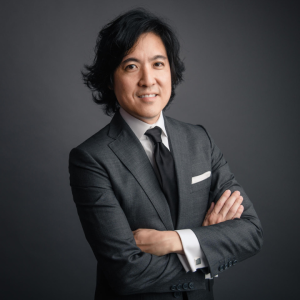
"Retention is the least glamorous part of orthodontic treatment and the part most likely to be skipped. But the teeth that stay in place the longest are the ones held there consistently. The investment patients make in alignment is only as durable as their commitment to wearing the retainer."
Dr Jonathan Liu · BDS (NUS) · Principal Dentist, Dentalis · 25+ Years
Common Questions
Frequently asked questions
Yes. Most adults wear retainers nightly long-term. Teeth never stop moving — even small forces from chewing and jaw function gradually shift tooth position over years. Lifelong nightly retainer wear is the accepted standard of orthodontic retention worldwide, and applies to all systems, not just Invisalign.
Full-time wear (20–22 hours/day) for the first 3–6 months while bone stabilises. Night-time wear from 6–12 months. Lifelong nightly wear recommended after 12 months. Your dentist confirms the exact protocol at your end-of-treatment review based on your case.
Most Invisalign patients use clear removable retainers (Essix-type or Vivera®) for comfort and discretion. Vivera® retainers are made by Align Technology using your existing Invisalign digital records, and are typically stronger than standard Essix retainers. Fixed bonded retainers are recommended for severe crowding cases or where compliance with removable wear may be inconsistent. The best choice depends on your case and lifestyle.
Clear removable retainers typically cost S$250–S$600 per arch across Singapore clinics. Vivera® retainers are available from S$600 (1 set) or S$890 (3 sets) before GST at Dentalis. Fixed bonded retainers cost S$350–S$550. Retainers are not claimable under MediSave or CHAS. All Dentalis fees before 9% GST; confirmed at clinical assessment.
A tight retainer indicates your teeth have shifted. Increase wear to full-time for a few days. If the retainer seats fully with some pressure but no visible gaps, continue and monitor. If it does not seat fully or leaves a visible gap at any tooth, contact your dentist promptly. Do not force the retainer. You may need a new retainer or a short refinement course depending on the degree of movement.
No. Hot drinks warp clear retainer material permanently. Coloured drinks — kopi, teh, curry-based soups, red wine, soy sauce — stain clear retainers and the staining is permanent. Only plain water should be consumed while wearing a retainer. Remove the retainer before any coloured or hot drink and reinsert after rinsing your mouth.
Rinse with cool water every time you remove it. Brush gently daily with a soft toothbrush and mild soap — not toothpaste (too abrasive). Soak weekly in retainer cleaning tablets for 15 minutes and rinse thoroughly. Never use hot water (warps the plastic), alcohol-based mouthwash (weakens the material), or steam cleaning. Store in the hard case when not in use.
No. Vivera® retainers are purchased separately from your Invisalign treatment — they are not included in any treatment tier. At Dentalis, Vivera® retainers are available from S$600 per set (1 set) or S$890 for 3 sets, before 9% GST. Your dentist will discuss retainer options at your end-of-treatment review.
Retainer Review or Replacement
Keep your result for the long term
Whether you need a new retainer, a check on your current set, or advice on whether your teeth have shifted, book a retainer review at Dentalis, Tanjong Pagar.
52 Craig Rd, Tanjong Pagar · Mon–Fri 9am–6pm · Sat 9am–1pm
Clinical Sources
References
Clinical information cited in this guide is drawn from the following primary sources.
- Valiathan M & Dhar V — Retention practices and factors influencing the choice of retainer. Journal of the Indian Orthodontic Society, 2006. Documents clinical consensus on orthodontic retention protocols and the rationale for lifelong retainer wear.
- Littlewood SJ et al. — Retention in orthodontics. British Dental Journal, 2016. Reviews evidence for orthodontic retention strategies, including clear retainer efficacy and long-term wear compliance.
- Singapore Dental Council — Registered Dentists and Specialists Directory. Regulatory body confirming Dr Jonathan Liu's registration and clinical standing (SDC D21395J).
Author & Clinical Review
Written by: Dentalis Clinical Editorial Team, led by Jennifer Choi, Marketing Director and Co-Founder
Medically reviewed:Dr Jonathan Liu · Principal Dentist and Founder · BDS (NUS) · SDC Reg. D21395J · 25+ Years of Clinical Experience · 10,000+ patients · Certified Invisalign Provider · Every Invisalign case at Dentalis includes a retention plan discussed at treatment planning stage, not at the final appointment.
This guide is for general educational purposes and does not replace in-person clinical assessment. Retainer costs are market estimates — final fees confirmed at clinical assessment. Published December 2025 · Updated 17 July 2026.