
Restorative Dentistry
A Root, Restored
Beneath every tooth is a root. It is the part that most replacements ignore — and the part that matters most.
Without a root, the bone beneath a missing tooth begins to resorb. Quietly, without symptoms, the jaw loses height and density. Adjacent teeth drift into the space. The bite shifts. What starts as a single gap becomes, over years, a structural problem that costs more to address the longer it is left.
At Dentalis, every implant begins with the question most clinics skip: is there a case for saving the natural tooth? If the tooth can be predictably maintained, Dr Jonathan Liu will say so. An implant is placed when it is the most considered long-term answer — not the most convenient one.

Dentalis Global Awards & Accolades
How It Works
What a Dental Implant Actually Is
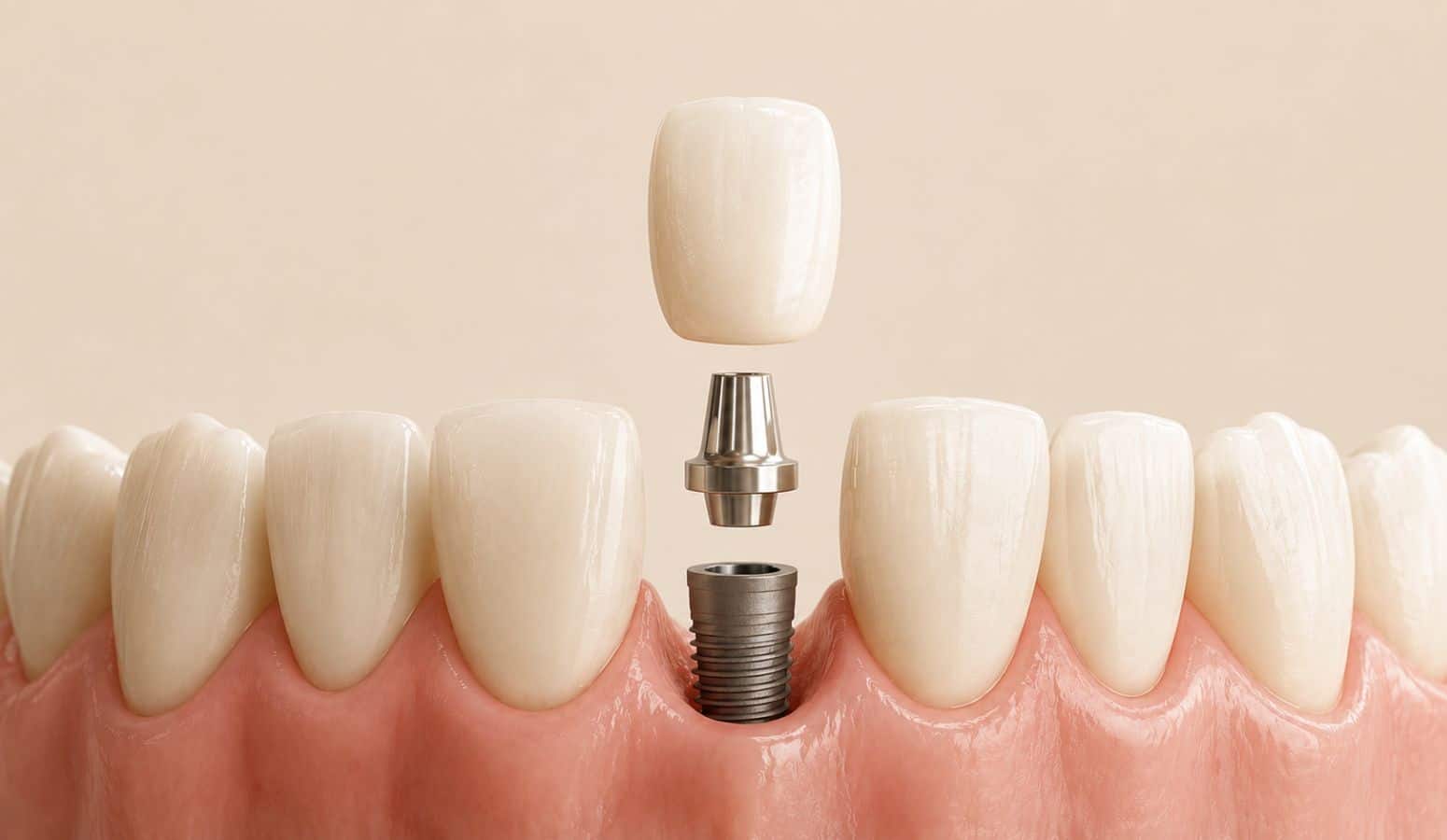
A dental implant is a titanium fixture — shaped like a screw — placed surgically into the jawbone where a tooth root once sat. Over eight to sixteen weeks, the bone integrates around it. An abutment is then attached to the fixture, and a ceramic crown is placed on top.
Fixture
The titanium post placed into the jawbone. Acts as an artificial tooth root, stimulating the bone and maintaining its density.
Abutment
The connector between the fixture and the crown.
Crown
The visible, tooth-shaped ceramic restoration for biting, chewing, and appearance.
When comparing implant prices, the word “implant” is sometimes used for the whole completed tooth, and sometimes for the post alone. At Dentalis, the fee of from S$4,500 covers all three: fixture, abutment, and ceramic crown.
What Happens Without Treatment
Why the Root Matters
Bone beneath a missing tooth begins to resorb within weeks of extraction, losing height and density without the stimulation a root provides. Adjacent teeth drift into the gap. The opposing tooth may over-erupt. These changes are cumulative.
Over years, the gap that seemed manageable becomes a structural problem affecting the entire bite. Future restoration becomes progressively more complex — and more expensive — the longer it is left.
A dental implant is the only tooth replacement option that also replaces the root. The bone at the implant site is stimulated and preserved. The drift stops.
An implant may be appropriate when:
A tooth has been lost to decay, fracture, or gum disease
A bridge would require cutting down healthy adjacent teeth
A removable denture is uncomfortable or unstable
A missing tooth is causing adjacent teeth to drift
“I approach every implant the same way: understand the bone, plan the placement with precision, and give the patient a result that holds for decades — not just years.”
Dr Jonathan Liu · Principal Dentist and Founder · BDS (NUS) · SDC Reg. D21395J · 25+ Years
Precision From the Ground Up
The Implant System We Use
Dentalis uses a Swiss-designed dental implant system manufactured in Germany. Selected for its documented clinical outcomes, precision manufacturing, and long-term component availability. An implant placed today needs retrievable part records and available components in twenty years.
Every case is planned using in-house CBCT imaging and digital scanning before any procedure is scheduled.
CBCT 3D imaging — maps bone volume, density, the mandibular canal, and sinus floor in three dimensions before any incision is made.
iTero Lumina Pro digital scanner — maps crown position, occlusion, and surrounding dentition. Planning is complete before surgery begins. Included in the S$150 first-visit scan fee alongside CBCT.
Calaject® computer-controlled anaesthesia — delivers local anaesthetic at a measured, consistent rate, eliminating the pressure surge of a conventional bolus injection.
Laser Photobiomodulation (PBM) — applied post-placement and at healing reviews where clinically appropriate. The dual-wavelength laser — 810 nm for deep-tissue penetration and 980 nm for surface healing — reduces post-operative inflammation and supports soft tissue recovery at the implant site. Included in the surgical fee.
Suitability & Assessment
Who Is Suitable for a Dental Implant?
Most adults who have lost a tooth are candidates for an implant. The key factors are bone volume, gum health, and general medical status — not age. Several conditions commonly assumed to exclude a patient do not automatically do so.
Patients currently taking bisphosphonate or antiresorptive medication — including alendronate (Fosamax), zoledronic acid (Aclasta/Zometa), or denosumab (Prolia/Xgeva) — require individual assessment before implant placement. The risk profile varies significantly by drug type and dose. Dental clearance for bisphosphonate therapy — what the assessment involves →
Conditions that affect suitability — but do not automatically exclude
Bone loss
Assessed via CBCT imaging. If bone volume is insufficient, a graft may be required — confirmed at consultation before any commitment.
Gum disease
Active disease must be treated first. A history of gum disease does not preclude an implant, but makes long-term maintenance more important.
Controlled diabetes
Does not automatically exclude treatment. Poorly controlled blood sugar changes the risk profile — discussed openly at consultation.
Smoking
Implants can be placed in smokers, but healing is slower and the risk of peri-implantitis is higher. Cessation is strongly encouraged.
Bisphosphonate or denosumab medication
Disclose at consultation. These drugs affect bone healing and require specialist review before surgery.
A bone graft or preparatory treatment may be needed if
Bone loss has occurred since extraction
The tooth was lost some years ago and the socket has resorbed
CBCT imaging shows inadequate bone height above the mandibular canal or below the sinus floor
A previous extraction involved infection affecting the surrounding bone
Upper back-tooth site requires a sinus lift due to limited bone height
The need for bone grafting and associated costs are confirmed from your CBCT scan — before any procedure is scheduled. Nothing proceeds without your understanding.
Step by Step at Dentalis
What the Dental Implant Process Involves
Implant treatment at Dentalis typically spans four to six months from first consultation to final crown. Each stage is confirmed before the next begins. Fees are provided in advance before any treatment is scheduled.
How long does it take?
The longest phase is osseointegration — eight to sixteen weeks for the bone to integrate with the fixture. The consultation, placement, and crown fitting appointments are individually brief. Cases involving bone grafting or sinus lift take longer.
Consultation, CBCT & Digital Scan — S$80 + S$150
Dr Jonathan Liu and Dr Albert Lee reviews your dental and medical history, examines your teeth and gums, and takes a CBCT 3D scan and iTero Lumina Pro digital impression. Both are included in the S$150 scan fee. A treatment plan with itemised fees is provided before any procedure begins.
Preparatory Treatment, If Required
Active infection or gum disease must be resolved first. If bone volume is insufficient, a graft is recommended. A sinus lift may be needed for upper back-tooth sites with limited bone height. Fees are confirmed at consultation before any procedure is booked.
Implant Fixture Placement — Guided Keyhole Surgery
The site is anaesthetised with Calaject® — computer-controlled delivery that regulates flow rate precisely. The Camlog implant fixture is placed using a precision surgical guide derived from the CBCT plan, ensuring the correct depth, angle, and nerve clearance. Most patients describe the experience as no more uncomfortable than a standard filling. Photobiomodulation (PBM) — low-level laser light — may be applied at this stage and during review appointments to support bone remodelling and reduce post-operative discomfort where clinically appropriate. IV sedation is available, enquire rates.
Osseointegration — 8 to 16 Weeks
The implant is left to integrate with the bone. Bone cells grow into the surface of the titanium fixture, anchoring it as firmly as a natural root. A temporary restoration is provided for visible teeth during this phase.
Crown Fitting
Once integration is confirmed, the abutment is attached and a digital impression is taken using the iTero Lumina Pro scanner. A custom ceramic crown is fabricated, seated, and adjusted to the surrounding bite.
Long-Term Care
Regular professional cleaning with EMS AIRFLOW® Guided Biofilm Therapy removes biofilm from the implant surface. Annual reviews allow early detection of peri-implantitis — caught early, it is manageable.
An Edge Worth Having
Dental Implants with Photobiomodulation (PBM)
Osseointegration takes time because bone remodelling follows its own biology. At Dentalis, Dr Jonathan Liu applies photobiomodulation — low-level laser light — during scheduled review appointments when clinically appropriate.
PBM may accelerate the bone remodelling that drives osseointegration, and may reduce post-operative discomfort during the healing period.
The goal is not simply a shorter timeline. The goal is a better-supported healing environment — and in some cases, the two happen to coincide.
What PBM may do for your implant recovery
- May support bone remodelling during the osseointegration period
- May reduce post-operative swelling and discomfort
- Applied by Dr Liu during review appointments — not a home-use device
- Studies report favourable outcomes in implant healing when combined with guided placement
Clinical note
PBM is applied where clinically appropriate — not as a standard add-on for every case. Results vary. Dr Liu will confirm whether PBM is suitable for your case at your clinical assessment.
Understanding Your Options
Implant, Bridge, or Denture — What’s the Difference?
A dental implant is not the only way to replace a missing tooth. The right option depends on how many teeth are missing, the condition of adjacent teeth, available bone, and budget. A bridge may be appropriate where adjacent teeth already require crowns. Dentures suit patients replacing multiple teeth across an arch. Where one tooth has been lost and adjacent teeth are healthy, an implant typically does the least collateral damage over the long term.
Dental Implants vs Dentures Singapore →| Dental Implant | Fixed Bridge | Removable Denture | |
|---|---|---|---|
| Replaces the root | ✓ | ✗ | ✗ |
| Adjacent teeth affected | None | Cut down | None |
| Bone preservation | ✓ | ✗ | ✗ |
| Fixed in the mouth | ✓ | ✓ | ✗ |
| Fee (from, Singapore) | From S$4,500 | S$1,500 | S$550 |
| MediSave claimable | ✓ Surgical portion | ✗ | ✗ |
Fixed Bridge
Faster and typically less expensive. Requires cutting down the two adjacent teeth. Those teeth bear additional load over time. Bone beneath the gap continues to resorb.
Removable Denture
Lower initial cost. Can replace multiple teeth across an arch. Without a root, jawbone loss continues — the fit changes as the bone shrinks. See our full dentures guide.
Dental Implant
Replaces the root as well as the crown. Does not affect adjacent teeth. Bone is preserved. The Dentalis fee from S$4,500 all-inclusive reflects a long-term investment — not a recurring one.
Transparent Fees & MediSave
Dental Implant Fees at Dentalis
All fees are before 9% GST. A cost breakdown — with MediSave entitlements clearly explained — is provided at your consultation before any treatment is scheduled.
The Dentalis all-inclusive fee from S$4,500 covers the implant fixture, abutment, and ceramic crown. There are no itemised add-ons for standard single-tooth cases.
Consultation
S$80
S$87.20 with GST
First Visit
Full clinical examination and treatment planning before any procedure is proposed.
- ✓Full clinical examination
- ✓Treatment planning discussion
- ✓Principal dentist
CBCT & Digital Scan
S$150
S$163.50 with GST
3D Imaging & Digital Planning
Both scans are required before any implant placement is scheduled.
- ✓CBCT 3D scan — bone volume, density, nerve canal, sinus floor
- ✓iTero Lumina Pro digital scan — crown position & occlusion
- ✓Both scans required before implant placement
Single Dental Implant
From S$4,500
From S$4,905 with GST
Fixture + Abutment + Crown
No itemised add-ons for standard single-tooth cases.
- ✓Implant fixture (Camlog system)
- ✓Abutment included
- ✓Ceramic crown included
- ✓Local anaesthesia included
- ✓Camlog Guided Keyhole Surgery included
- ✓PBM (where clinically appropriate) included
- ✓MediSave claimable
Additional Fees
Bone graft — from S$800
Required when bone volume at the implant site is insufficient. Confirmed at consultation following CBCT assessment. MediSave may be claimable under TOSP SB803M.
Sinus lift — from S$1,000
May be required for upper back-tooth sites where bone height is limited. Confirmed at consultation. MediSave may be claimable under TOSP SB802M or SB814M.
IV sedation — S$1,300 - $1,500 per hour
Then S$650 - S$750 per subsequent 30 minutes. Available for anxious patients or complex procedures.
Surgical removal of failed implant
Fees confirmed at consultation. PBM therapy may be applied during the healing period post-removal where clinically appropriate. MediSave may be claimable under TOSP SB816M (removal: S$490 per implant).
MediSave
MediSave — claimable for the surgical placement of the implant fixture (TOSP SB816M). The claimable amount is S$1,120 per implant plus S$830 surgical consumables per session (fixed, regardless of how many implants are placed). Total for a single-implant session: S$1,950. The crown, abutment, consultation, and scan fees are not MediSave-claimable.
Family MediSave — eligible to use a spouse’s, parent’s, or child’s MediSave account, subject to CPF Board requirements and available balance.
CHAS — does not apply to the implant surgical procedure itself. It applies to the consultation and X-rays.
All prices before 9% GST. Prices valid as of August 2026. Dentalis reserves the right to revise pricing without prior notice. This section provides factual fee information in accordance with the Healthcare Services (Advertisement) Regulations 2021.
Note on front vs back teeth: Implant fees may vary depending on the position of the tooth being replaced. Front teeth (anterior implants) may require additional aesthetic considerations — including a custom-shade ceramic crown, a temporary crown during osseointegration, and more precise emergence profile shaping. These may affect the total fee and will be discussed and confirmed at consultation before any treatment is scheduled.
For a full cost breakdown, MediSave claim scenarios, and public hospital fee comparisons, see Dental Implant Cost Singapore.
After Your Procedure
What to Expect After Implant Placement
Recovery from implant placement is typically straightforward. The post-operative period differs depending on whether bone grafting was involved.
Day of Surgery
Mild swelling and tenderness is normal. Soft diet for 24 hours. Avoid rinsing forcefully. Take prescribed pain relief. Rest and avoid strenuous exercise.
Days 2–7
Swelling typically peaks around Day 2–3, then subsides. Gentle warm salt-water rinses from Day 2. Most patients return to desk work within 24–48 hours.
Weeks 1–16 — Osseointegration
The implant is integrating with your bone. Continue oral hygiene with a soft brush. Avoid hard foods on the implant site. Attend scheduled review appointments.
Contact Dentalis Immediately
- —Pain increasing after Day 3
- —Worsening swelling
- —Pus, discharge, or foul taste
- —Movement of the implant
- —Fever
Why Patients Choose Dentalis
Considered Care. Precise Planning.
-
✓
CBCT-planned guided placement — every implant is mapped in three dimensions before a single incision is made. The Camlog surgical guide ensures the planned position is the executed position.
-
✓
Calaject® anaesthesia — computer-controlled delivery. The sensation is often undetectable. Pain is not part of the experience here.
-
✓
Photobiomodulation (PBM) — low-level laser therapy applied during healing where clinically appropriate, to support bone remodelling and reduce post-operative discomfort.
-
✓
No waitlist. Shophouse setting. — 52 Craig Rd. Designed to feel measured, not clinical. Unhurried appointments in a space that does not look or feel like a chain clinic.
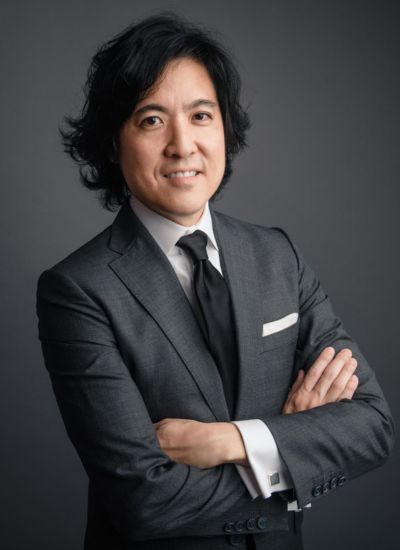
Principal Dentist and Founder
Dr Jonathan Liu
BDS (NUS) · SDC D21395J · 25+ years · 10,000+ patients
Dr Jonathan Liu has over 25 years of clinical experience and has treated more than 10,000 patients. He conducts all implant consultations, CBCT assessments, and treatment planning at Dentalis, and provides restorative care from placement through to final crown.
Meet Dr Jonathan Liu →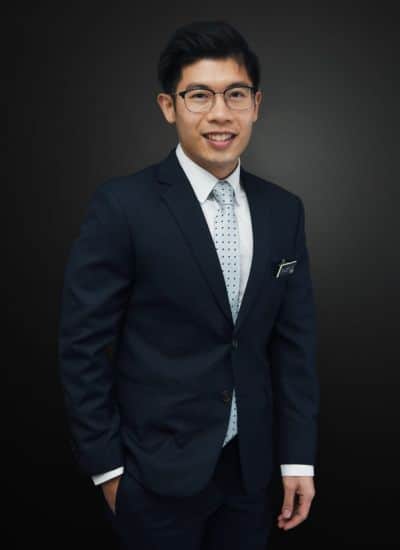
Oral & Maxillofacial Surgeon
Dr Albert Lee Ming Hsien
BDS NUS · MDS OMS · F.A.M.S. · SDC D22238J · 15 years
Dr Albert Lee is an MOH-accredited Dental Specialist in Oral and Maxillofacial Surgery with 15 years of clinical experience. Formerly Head of the Craniofacial and Oral Implantology Programme at the National Dental Centre Singapore and Surgical Chief at Changi General Hospital. Currently Clinical Assistant Professor at Duke-NUS. Dr Lee performs specialist surgical procedures at Dentalis, including complex implant placements, bone grafting, and sinus lifting.
Meet Dr Albert Lee →Patient Reviews
Smiles That Speak a Thousand Words
Real people. Honest five-star feedback on dental implant treatment at Dentalis.
5.0 Stars from 141 Google Reviews
When You’re Ready
A Consultation Is a Conversation, Not a Commitment.
If you have a missing tooth — or a tooth that may need to come out — a consultation is the right place to begin. You will leave with a clear picture of your options, a treatment plan, and confirmed fees. Nothing is scheduled until you are ready.
Dr Jonathan Liu sees patients at Dentalis, 52 Craig Rd, Tanjong Pagar — Monday to Friday, 9am–6pm, and Saturday mornings. Appointments available by advance booking. Consultation: S$80.
52 Craig Rd, Tanjong Pagar, Singapore 089690 · Maxwell MRT (TE18) · Tanjong Pagar MRT (EW15) · Outram Park MRT (EW16/NE3/TE17)
Common Questions
Dental Implant FAQs
Everything you need to know about dental implant treatment at Dentalis — answered clearly and honestly.
The site is fully anaesthetised before any incision is made. At Dentalis, this is done using Calaject® — a computer-controlled system that delivers local anaesthetic at a measured, consistent rate. During the procedure, patients feel pressure and vibration, not pain. Post-operative soreness typically settles within three to five days. Most patients are surprised by how manageable the experience is.
A single dental implant is priced from S$4,500 before 9% GST, inclusive of the implant fixture, abutment, ceramic crown, Camlog Guided Keyhole Surgery, and PBM where clinically appropriate. The consultation is S$80. The S$150 scan fee covers both the CBCT 3D scan and the iTero Lumina Pro digital impression — both are required before any implant is placed. Bone graft from S$800 and sinus lift from S$1,000 are charged separately where required, confirmed at consultation. See the full breakdown at Dental Implant Cost Singapore.
Yes. MediSave may be used for the surgical placement of the implant fixture under TOSP code SB816M. The claimable amount is S$1,120 per implant plus S$830 surgical consumables per session — a total of S$1,950 for a single-implant session. The crown, abutment, consultation, and scan fees are not MediSave-claimable. You may also use MediSave from an eligible immediate family member’s account. Dentalis is MediSave-accredited.
CHAS subsidies do not apply to the dental implant procedure itself. At CHAS-enrolled clinics, CHAS may cover consultations and X-rays for eligible cardholders. Dentalis is CHAS-enrolled. If you hold a CHAS card, confirm applicable subsidies at your consultation.
Flexi-MediSave is a CPF scheme for Singapore Citizens and PRs aged 60 and above, allowing up to S$400 per year to be used toward specific dental treatments at CHAS-enrolled, MediSave-accredited clinics. From 1 June 2026, Flexi-MediSave covers root canal treatment and permanent crowns — it does not cover the dental implant surgical procedure itself. The implant fixture placement remains claimable under standard MediSave (TOSP SB816M). Confirm your full entitlements at consultation.
Photobiomodulation (PBM) uses low-level laser light to support tissue healing. At Dentalis, Dr Jonathan Liu applies PBM during scheduled review appointments when clinically appropriate — it is not a home-use device. For implant patients, PBM may support bone remodelling during the osseointegration period and reduce post-operative discomfort. It is applied where suitable for the individual case; Dr Liu will confirm whether PBM is appropriate for your treatment at your clinical assessment. PBM is included in the from S$4,500 all-inclusive fee where applied.
Not in every case. Whether a graft is required depends on the volume and density of bone at the implant site — assessed from your CBCT scan at consultation. Where bone is insufficient, grafting may be recommended before or at the time of placement. The need and cost are confirmed before any treatment begins.
Four to six months is typical for a straightforward single-implant case, from consultation to final crown. The longest phase is osseointegration — eight to sixteen weeks. Cases involving bone grafting or a sinus lift take longer. The full timeline is confirmed at your consultation.
Dentalis uses Camlog, a Swiss-designed dental implant system manufactured in Germany, selected for its documented clinical outcomes, precision manufacturing, and long-term component availability.
There is no upper age limit. The relevant factors are bone quality, gum health, and general medical fitness — not age.
Bone beneath a missing tooth begins to resorb within weeks of extraction. Adjacent teeth drift into the gap. The opposing tooth may over-erupt. These changes make future restoration progressively more complex and expensive.
Bone loss does not automatically exclude implant treatment. Where bone is insufficient, a graft can rebuild the foundation before or at the time of placement. The extent of loss and grafting required is assessed from your CBCT scan.