
The Complete 2026 Guide
Wisdom Tooth Extraction in Singapore: Cost, MediSave, Surgery & Recovery
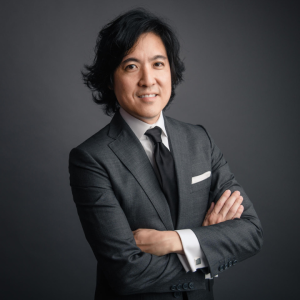 Medically reviewed by Dr Jonathan Liu, BDS (NUS) · SDC Reg. D21395J · 25+ years experience
Last reviewed: June 2026
Medically reviewed by Dr Jonathan Liu, BDS (NUS) · SDC Reg. D21395J · 25+ years experience
Last reviewed: June 2026
Direct Answer
Wisdom tooth extraction in Singapore costs approximately S$150–S$500 per tooth for simple extraction and S$650–S$2,000+ before GST for surgical removal of an impacted third molar at private clinics. At Dentalis, simple extraction is S$250–S$300 and surgical removal S$950–S$2,000+ per tooth before GST. Surgical cases are MediSave-claimable under the Ministry of Health's Table of Surgical Procedures (TOSP), with withdrawal limits ranging from S$420 to S$2,440 per session depending on complexity.
Not all wisdom teeth require removal. A clinical assessment with OPG X-ray at a MediSave-accredited clinic is the essential first step — no extraction should be recommended without it.
At a Glance
What You Need to Know Before Your Consultation
Simple Extraction
S$150–S$500
Singapore private clinics, per tooth before GST · Dentalis: S$250–S$300 · CHAS eligible
Surgical Removal
S$650–S$2,000+
Singapore private clinics, per tooth before GST · Dentalis: S$950–S$2,000 · MediSave-claimable
MediSave Limits
S$420–S$2,440
TOSP Table 1B–4B · + S$300 surgical consumables
CHAS Subsidy
S$45.50–S$78.50
Simple extraction only · By card tier · Dentalis is CHAS-accredited
Recovery
3–7 Days
Surgical cases · Swelling peaks Days 2–3 · MC issued same day
Wisdom Tooth Consultation at Dentalis
S$98
Consultation, Examination + OPG · Before GST · Cost estimate included
Understanding the Problem
What Are Wisdom Teeth — and Why Do They Cause Problems?
Wisdom teeth — formally the third molars — are the final four permanent teeth to emerge, typically between ages 17 and 25. One sits at the back of each dental arch: two upper, two lower.
The problem is structural. As the human jaw evolved toward its current, smaller form, available space for third molars reduced. When there is insufficient room for a wisdom tooth to erupt correctly, it becomes impacted — partially or fully trapped beneath the gum or bone. According to clinical guidance from the National Dental Centre Singapore (NDCS), impacted wisdom teeth are among the most common reasons for oral surgical referral in young adults aged 18–30 in Singapore.
Left unaddressed, a problematic wisdom tooth can cause:
- Pericoronitis — recurring bacterial infection of the gum flap (operculum) around a partially erupted tooth; the most frequent clinical reason for wisdom tooth removal in Singapore
- Decay on the side of the adjacent second molar, caused by food trapping and the structural impossibility of cleaning an impacted tooth's contact point
- Cyst formation — specifically a dentigerous cyst, which can form around the crown of an unerupted or impacted tooth, causing progressive bone loss around the jaw and root resorption of the adjacent tooth
- Gum disease (periodontal disease) — chronic inflammation and bone loss around the adjacent second molar, driven by persistent food impaction and bacterial colonisation
- Crowding pressure on neighbouring teeth
- In rare cases, an odontogenic tumour (non-cancerous) developing around the impacted tooth, requiring surgical removal of the growth and surrounding tissue
Not every wisdom tooth needs to come out. A tooth that has fully erupted, is properly positioned, and can be cleaned effectively may be safely monitored. The decision is always based on clinical evidence — not assumption.
Clinical Indication
How Do I Know If My Wisdom Tooth Needs to Be Removed?
Wisdom tooth removal is clinically indicated when there is evidence of infection, recurring pain, damage to the adjacent tooth, cyst formation, or confirmed impaction likely to cause future harm.
Signs that typically indicate removal is needed
- Recurring pericoronitis — especially if it has occurred more than once
- Persistent jaw pain or pressure at the back of the mouth
- Swelling or tenderness around the last molar
- Food repeatedly trapping behind the second molar
- Visible decay forming on the side of the adjacent second molar
- Confirmed cyst (such as a dentigerous cyst) on OPG or CBCT imaging
- Difficulty fully opening the mouth — a condition known as trismus
- Signs of periodontal disease around the adjacent second molar
When monitoring may be appropriate
If a wisdom tooth is fully erupted, symptom-free, properly aligned, and genuinely accessible for daily cleaning — monitoring is often the clinically sound choice. Cochrane systematic analyses on prophylactic wisdom tooth removal indicate that not all asymptomatic impacted teeth carry sufficient risk to justify extraction. The recommendation depends on the individual's anatomy, age, and risk profile.
At Dentalis, no extraction is recommended without first establishing a clear clinical reason. You will leave your consultation knowing exactly why removal is — or is not — the right course for your case.
Imaging & Classification
What Is an Impacted Wisdom Tooth?
An impacted wisdom tooth cannot fully emerge because the jaw has insufficient space or the adjacent tooth is blocking the path. Impaction is described in two ways: by angle of growth, and by depth of coverage.
By angle of growth
| Impaction Type | Position | Clinical Significance |
|---|---|---|
| Mesial | Angled forward toward the second molar | Most common. Higher risk of food trapping and decay on the adjacent tooth. |
| Distal | Angled backward away from the second molar | Less common. May be monitored if symptom-free. |
| Vertical | Upright but unable to fully erupt | May resolve if partial eruption allows adequate cleaning. |
| Horizontal | Lying sideways within the jawbone | Typically requires surgical removal. CBCT imaging required where nerve proximity is identified. |
By depth of coverage
Depth classification describes how much of the tooth is buried — this directly affects surgical complexity, recovery time, and the applicable MOH TOSP table for MediSave purposes.
| Depth Classification | Description | Surgical Complexity |
|---|---|---|
| Soft tissue impaction | Crown mainly covered by gum tissue only; tooth has erupted through bone but not fully through gum | Lower — bone removal typically not required |
| Partial bony impaction | Crown partially covered by jawbone; requires some bone removal to access the tooth | Moderate — bone reduction and likely tooth sectioning |
| Full bony impaction | Crown completely buried within bone; no part of the tooth is visible through gum | Higher — significant bone removal and tooth sectioning; places the case in a higher TOSP table |
Impaction type and depth are confirmed by OPG digital X-ray. Where lower wisdom tooth roots approach the inferior alveolar nerve canal, 3D CBCT imaging provides the spatial detail needed to plan surgery safely. Both OPG and CBCT are available in-clinic at Dentalis — no external referral required.
The Key Distinction
What Is the Difference Between Wisdom Tooth Extraction and Surgery?
This single distinction drives the fee tier, MediSave eligibility, recovery timeline, and clinical risk profile for your case.
| Feature | Simple Extraction | Surgical Removal |
|---|---|---|
| Tooth position | Fully erupted and visible above the gum | Impacted, partially erupted, or buried beneath gum or bone |
| Bone involvement | None | Gum incision, gum flap elevation, bone reduction, often tooth sectioning |
| Procedure time | 15–30 minutes | 30–60 minutes |
| Recovery (MC) | 1–2 days typical | 3–7 days typical; longer for bilateral cases |
| MediSave | Not claimable | Claimable — MOH TOSP Table 1B–4B |
| CHAS | Eligible for CHAS cardholders | Separate subsidy pathway — confirm at clinic |
| Dentalis fee (before GST) | S$250–S$300 per tooth | S$950–S$2,000 per tooth |
Lower vs upper wisdom teeth: Lower wisdom teeth are generally more complex and more expensive to remove. Their roots often sit in close proximity to the inferior alveolar nerve canal — the bony channel through which the inferior alveolar nerve runs, responsible for sensation in the lower lip, chin, and teeth. Where root proximity to this canal is identified on OPG, CBCT imaging is used to assess the three-dimensional relationship before surgery. Upper wisdom teeth may be assessed in relation to the maxillary sinus — proximity of upper wisdom tooth roots to the sinus floor can affect surgical planning, and in rare cases may result in oro-antral communication (OAC), where the sinus floor is perforated during extraction. OAC usually heals with correct aftercare but requires prompt identification.
Fees Overview
How Much Does Wisdom Tooth Extraction Cost in Singapore?
Simple extraction costs S$250–S$300 per tooth at Dentalis before GST; other private clinics range from approximately S$200–S$600. Surgical removal of an impacted third molar costs S$950–S$2,000+ at a private clinic before GST and is MediSave-claimable under the MOH Table of Surgical Procedures (TOSP), with total claimable limits from S$720 to S$2,740 depending on case complexity and number of teeth. CHAS subsidies apply to simple extractions and ancillary fees such as consultation and X-rays.
→ Complete fee breakdown, MediSave out-of-pocket scenarios and public vs private comparison · → Full MediSave TOSP guide for wisdom tooth surgery
Before Your Appointment
What Should I Do Before Wisdom Tooth Surgery?
Preparation makes the procedure and recovery easier. These steps apply whether you are having a simple extraction or surgical removal.
- Eat a light meal before attending. Your jaw will be numb for 2–4 hours after surgery, making eating difficult. Going in with an empty stomach is not necessary and may leave you hungry and uncomfortable post-procedure.
- Arrange transport home if IV sedation is planned. You should not drive yourself after IV sedation or general anaesthesia. If you are having local anaesthesia only, you may drive.
- Brush and rinse before your appointment. Good oral hygiene at the time of surgery reduces procedural infection risk.
- Inform the clinic of any medications, allergies, or medical conditions. This includes blood thinners, anticoagulants, diabetes, or any recent illness. Some medications require temporary modification before oral surgery.
- Bring your NRIC and your CHAS card if applicable. If you are claiming MediSave using a family member's account, bring the account holder's NRIC and evidence of the family relationship. Dentalis will process the MediSave claim on your behalf.
- Prepare your recovery at home in advance. Stock up on soft foods — congee, yogurt, scrambled eggs, lukewarm soups. Have your prescribed medications ready to collect. Plan for 2–5 days of reduced activity, particularly for lower surgical cases.
What to Expect
What Happens During Wisdom Tooth Surgery?
Understanding each stage reduces anxiety and allows realistic recovery planning. Here is the sequence at Dentalis.
-
Clinical Assessment and Imaging A clinical examination is followed by OPG panoramic digital X-ray imaging. For complex lower wisdom tooth cases — particularly where root proximity to the inferior alveolar nerve canal is identified — 3D CBCT imaging maps the spatial relationship precisely before any surgical decision is finalised. Both OPG and CBCT are available in-clinic at Dentalis. This imaging confirms your MOH TOSP classification and MediSave entitlement, communicated in writing before the procedure.
-
Anaesthesia via Calaject Local anaesthesia is administered using Calaject — a computer-controlled anaesthetic delivery system that releases solution at a constant, low-pressure flow rate. Unlike conventional syringe injection, Calaject significantly reduces the sensation of the injection itself — the moment most patients find most anxiety-inducing — and produces more consistent anaesthesia throughout the surgical site. You will feel pressure but not sharp pain. For patients with significant dental anxiety, IV sedation is available at Dentalis by arrangement; for the most complex cases requiring general anaesthesia, referral to a hospital setting is arranged.
-
Tooth Removal For simple extractions, the tooth is elevated using a dental instrument called an elevator and removed with forceps directly. For surgical cases, a small gum flap is raised to access the tooth, bone is carefully reduced to expose the crown, and the tooth is typically sectioned into pieces for safe removal with minimal force on surrounding structures. Proximity to the inferior alveolar nerve canal is observed throughout. In rare cases where roots are inseparably close to the nerve canal — confirmed by CBCT — Dr Jonathan Liu will assess whether coronectomy (deliberate removal of the crown only, leaving roots in place to avoid nerve injury) is the appropriate surgical approach; this is discussed and quoted separately at consultation.
-
Closure and Discharge The socket is irrigated, debrided, and closed with resorbable sutures where required — these dissolve on their own, eliminating the need for a second appointment to have stitches removed. A post-operative care plan — including prescribed analgesics and antibiotics where clinically indicated — is provided before you leave. Medical leave is issued on the day. Most patients are discharged within the hour.
Managing Anxiety
Is Wisdom Tooth Removal Painful?
The procedure is not painful. Local anaesthesia eliminates sharp sensation. Patients feel pressure and movement — not pain. The most common source of procedural anxiety is anticipation rather than actual pain experienced during surgery. Most patients report the experience was considerably less uncomfortable than expected.
Post-operative discomfort — soreness, mild throbbing, jaw stiffness — is normal for the first 48–72 hours and is managed with prescribed analgesics. Day 3 is often the most uncomfortable: swelling peaks around Days 2–3 before beginning to resolve. This is a predictable part of healing, not a sign of complication.
The one complication that extends pain beyond the expected timeline is dry socket (alveolar osteitis) — where the blood clot at the tooth socket is prematurely disrupted, exposing bone. It occurs in approximately 1–4% of cases. If pain worsens after Day 3 rather than improving, contact the clinic promptly.
→ Wisdom tooth pain in Singapore — causes, urgency and what to do
Healing Timeline
How Long Is Recovery After Wisdom Tooth Surgery?
Recovery follows a predictable sequence for most patients. Understanding what to expect at each stage reduces anxiety and helps you identify the rare occasions when something warrants a call to the clinic.
Day of Surgery
Numbness resolves within 2–4 hours. Bite gently on a gauze pad to control bleeding — replace as needed. Apply an ice pack or cold compress to the cheek in 20-minute intervals to reduce swelling. Eat soft, cold foods only. Avoid rinsing, straws, smoking, carbonated drinks, and strenuous activity for the first 24 hours. Take prescribed analgesics as directed.
Days 2–3
Swelling and discomfort typically peak — this is the most uncomfortable period. Bruising or skin discolouration along the jaw or cheek is common and expected; it resolves within 7–14 days. Continue soft diet. Begin gentle warm salt water rinses after 24 hours have passed, or use an antibacterial mouthwash only if specifically directed by your dentist. Take all prescribed antibiotics to completion.
Days 4–7
Swelling begins to subside progressively. Most patients return to desk work during this window. Avoid strenuous exercise and alcohol for 5–7 days; smoking significantly increases the risk of dry socket. Resorbable sutures will dissolve without requiring removal. Post-operative review appointment within one week, as scheduled.
1–2 Weeks
Most patients have returned to full normal activity. Gum tissue continues to heal over the socket. Avoid very hard or crunchy foods near the extraction site until full tissue closure is confirmed at review.
Weeks to Months
Internal bone remodelling continues but does not affect daily function. Some patients notice a sharp bony piece emerging through the gum — this is a bone spicule, a small fragment of dead bone surfacing as part of normal socket healing. It is not a cause for alarm, though it can be smoothed at a review appointment if it causes irritation. Socket healing is typically complete within 8–12 weeks.
→ Full wisdom tooth recovery guide — food, dry socket prevention and when to call the clinic
Safety & Risk
What Are the Risks of Wisdom Tooth Surgery?
Wisdom tooth surgery is a routine oral surgical procedure with a well-established safety profile when performed with proper imaging, correct classification, and experienced technique. Serious complications are uncommon.
| Risk | Frequency | Clinical Context |
|---|---|---|
| Dry socket (alveolar osteitis) | 1–4% of cases | Most common complication. Occurs Days 3–5. Caused by premature blood clot loss from the tooth socket. Treated with medicated dressing. Preventable with correct aftercare: no straws, no smoking, no vigorous rinsing on Day 1. |
| Post-operative infection | Uncommon | Treated with antibiotics. Risk reduced by irrigation and prophylactic antibiotic coverage where indicated. |
| Swelling and trismus | Expected, temporary | Peaks Days 2–3. Trismus (limited jaw opening) is common after lower wisdom tooth surgery and resolves progressively over 5–7 days as swelling subsides. |
| Inferior alveolar nerve paraesthesia | Rare | Temporary or, rarely, permanent altered sensation in the lower lip, chin, or teeth — caused by proximity of roots to the inferior alveolar nerve canal. Pre-assessed via OPG and CBCT before surgery. Risk is discussed and quantified at consultation for all complex lower wisdom tooth cases. |
| Lingual nerve paraesthesia | Rare | Altered sensation in the tongue. Typically resolves within weeks to months. |
| Oro-antral communication (upper teeth) | Rare | Occurs when the sinus floor is perforated during extraction of upper wisdom teeth whose roots are proximate to the maxillary antrum. Usually heals spontaneously with correct aftercare; occasionally requires surgical closure. |
| Bruising and skin discolouration | Common for lower cases | Expected post-inflammatory finding after lower wisdom tooth surgery. Resolves within 7–14 days. Not a sign of complication. |
Pre-surgical imaging is the primary tool for risk reduction. When roots approach the inferior alveolar nerve canal on OPG, CBCT imaging maps the three-dimensional relationship before any surgical decision at Dentalis. For highly complex cases — including significantly displaced roots, significant medical considerations, or cases requiring general anaesthesia — referral to a specialist oral and maxillofacial surgeon (OMFS) is the appropriate course. Dentalis maintains a trusted specialist referral network for exactly this reason.
Choosing Your Care Pathway
Private Clinic vs Polyclinic vs Public Hospital — Which Is Right for You?
| Feature | Polyclinic | Public Hospital (NDCS / NUH) | Private Clinic (Dentalis) |
|---|---|---|---|
| Simple extraction | Yes · S$25–S$40/tooth | Yes (referral required) | Yes · S$250–S$300/tooth |
| Surgical removal | Referred to hospital | Yes · subsidised rates available | Yes · MediSave-claimable |
| Waiting time | Weeks to months | 3–6 months for subsidised rates | Within days, often same week |
| Who treats you | Rotating dental officer | Resident, registrar, or OMFS specialist | Dr Jonathan Liu — same dentist, every visit |
| In-clinic imaging | OPG · referred for CBCT | Full imaging available | OPG + CBCT in-clinic at Dentalis |
| Environment | Institutional | Hospital clinical setting | Boutique shophouse · calm · unhurried |
At public institutions such as the National Dental Centre Singapore (NDCS) and the National University Hospital (NUH), surgical procedures are often performed by oral and maxillofacial surgeons (OMFS) — specialist dental surgeons with advanced postgraduate training in complex jaw and facial surgery. For patients with active infection or escalating symptoms, public waiting times are not viable. For patients on a tight budget with time to spare and subsidised eligibility, the public route is legitimate. For working professionals in the CBD who want a specific dentist, same-week scheduling, and a calm environment — a principal-led private clinic in Tanjong Pagar is typically the practical choice.
Expat & Corporate Plans
Does Wisdom Tooth Surgery Affect Expat or Corporate Dental Insurance?
For expat patients in Singapore with comprehensive dental plans — including Cigna, Henner, Alliance MediNet, AXA PPP International, and similar international medical insurance — surgical wisdom tooth removal is typically covered as oral surgery under the major dental benefit of the policy, subject to plan limits and pre-authorisation requirements.
Simple extractions are generally covered under routine dental benefits, though annual benefit limits apply. Coverage varies significantly by policy — always confirm with your insurer whether pre-authorisation is required and whether Dentalis is on an approved panel or operates as a direct-pay clinic.
Contact Dentalis via WhatsApp with your insurer name and plan details and we can advise on the applicable process before your appointment.
"I see patients who have been told for years that their wisdom teeth must come out immediately — when the tooth in question is fully erupted and causing no damage. I also see patients who have delayed too long and are managing active infection. The right decision requires a proper look: an X-ray and a clinical examination. Until that's done, no honest answer is possible."
Dr Jonathan Liu · BDS (NUS) · Principal Dentist, Dentalis · 25+ Years
Clinical Sources
External References
The following primary sources inform this guide. All clinical claims, subsidy figures, and cost benchmarks are traceable to these references.
- National Dental Centre Singapore (NDCS) / SingHealth — Patient guide for wisdom tooth surgery. Provides clinical criteria for surgical referral and public institutional care pathways. Cited in support of impaction prevalence data and surgical referral thresholds.
- CPF Board — MediSave for wisdom tooth removal — Authoritative source for withdrawal limits, eligibility criteria, and family account usage rules for dental surgical procedures.
- Ministry of Health Singapore — Guide to Dental Treatment Costs — Table of Surgical Procedures (TOSP) and fee benchmarks. Defines the classification tables that determine MediSave withdrawal limits for wisdom tooth surgery.
- CHAS / HealthHub — Community Health Assist Scheme — Dental subsidy rates by card tier for simple extractions, effective 1 October 2025.
- Cochrane Database of Systematic Reviews — Evidence on prophylactic removal of asymptomatic impacted wisdom teeth (Mettes et al.). Cited in support of the monitoring-appropriate section — not all asymptomatic impacted teeth require pre-emptive extraction.
- American Association of Oral and Maxillofacial Surgeons (AAOMS) and the American Dental Association (ADA) — International clinical references recognising impacted wisdom teeth, pericoronitis, infection, cysts, gum disease and adjacent-tooth damage as evidence-based indications for assessment or removal.
Common Questions
Frequently Asked Questions — Wisdom Tooth Extraction in Singapore
Simple extraction at Dentalis: S$250–S$300 per tooth before GST. Surgical removal of an impacted third molar: S$950–S$2,000 per tooth before GST. Public institutional rates are lower — from S$25–S$40 per tooth at a polyclinic for simple extractions — but carry waiting times of 3–6 months for surgical cases. All fees are subject to 9% GST. For itemised fees, MediSave scenarios and CHAS subsidy amounts, see the full wisdom tooth cost guide.
MediSave applies to surgical wisdom tooth removal only — not simple extractions. The procedure must be classified under the MOH Table of Surgical Procedures (TOSP Table 1B to 4B). Singapore Citizens and PRs may use their own or an immediate family member's MediSave account. Withdrawal limits range from S$420 (Table 1B) to S$2,440 (Table 4B) depending on complexity and number of teeth. At Dentalis, MediSave claims for qualifying surgical cases are processed on your behalf.
Simple extraction removes a tooth that has fully erupted above the gum line — no incision or bone removal required. Wisdom tooth surgery is required when the tooth is impacted: partially or fully buried beneath gum or bone. Surgery involves a gum flap incision, controlled bone removal, and often dividing the tooth into sections. The distinction determines cost, MediSave eligibility, recovery time, and risk profile.
The procedure is performed under local anaesthesia and should not be painful. Patients feel pressure and movement — not sharp pain. Post-operative discomfort is normal for the first 2–3 days. At Dentalis, Calaject computer-controlled anaesthesia delivery significantly reduces the discomfort of the injection itself. For patients with dental anxiety, IV sedation is available at Dentalis by prior arrangement.
Simple extraction: 1–2 days. Surgical removal of a single lower wisdom tooth: 3–5 days. Bilateral surgical removal: 5–7 days. All four teeth in one session: up to 7 days. MC is issued by the treating dentist on the day based on the procedure and your post-operative status.
Lower wisdom tooth roots often sit in close proximity to the inferior alveolar nerve canal — responsible for sensation in the lower lip, chin, and teeth. This requires more precise imaging (CBCT in addition to OPG), a more cautious surgical approach, and additional time. Upper wisdom teeth generally have more favourable anatomy, though proximity to the maxillary sinus may be a consideration in some upper cases.
CHAS subsidies apply to simple wisdom tooth extractions at CHAS-accredited clinics. CHAS Orange: up to S$45.50 per tooth. CHAS Blue: up to S$68.50. Pioneer Generation: up to S$73.50. Merdeka Generation: up to S$78.50. Dentalis is CHAS-accredited. CHAS does not apply to surgical removal — MediSave is the applicable subsidy pathway for surgical cases.
Yes — for simple extractions of fully erupted wisdom teeth at approximately S$25–S$40 per tooth, excluding consultation. For impacted teeth requiring surgery, the polyclinic refers you to the National Dental Centre Singapore (NDCS) or National University Hospital (NUH), with waiting times of 3–6 months for subsidised appointments. If you have active pain, infection, or swelling, a private clinic is the practical option.
Dry socket (alveolar osteitis) occurs when the blood clot at the tooth socket is prematurely disrupted, exposing underlying bone. It affects approximately 1–4% of cases, typically appearing Days 3–5 as worsening rather than improving pain. Prevention: no straws for 72 hours, no smoking, no vigorous rinsing on Day 1, take prescribed antibiotics to completion. If suspected, contact the clinic — it is treated with a medicated dressing.
Yes — this is most commonly a bone spicule: a small fragment of dead bone that surfaces through the gum tissue as part of normal socket healing. It is not a sign of infection or a surgical complication. It can cause localised irritation but is easily smoothed at a follow-up appointment if needed. Contact the clinic if the area is accompanied by pain or discharge, which would warrant a review.
Yes. Swelling is a normal part of the inflammatory healing response. It typically peaks at Days 2–3 and resolves progressively over the following week. Bruising or skin discolouration along the jaw or cheek is also common after lower wisdom tooth surgery and resolves within 7–14 days. Swelling that increases significantly after Day 4, or is accompanied by fever or worsening pain, may indicate infection and warrants clinical review.
No. Once a wisdom tooth is removed, it does not regenerate. In extremely rare cases a supernumerary (extra) tooth may be present, but this is not regrowth of the extracted tooth.
Seek clinical review promptly if you experience: fever above 38 degrees C, difficulty breathing or swallowing, swelling spreading to the neck, numbness persisting beyond 24 hours post-surgery, worsening pain after Day 4 (may indicate dry socket or infection), or bleeding that does not stop after 30 minutes of firm pressure.
Surgical wisdom tooth removal is typically covered under the major dental benefit of comprehensive expat plans including Cigna, Henner, Alliance MediNet, and AXA PPP International, subject to policy limits and pre-authorisation requirements. Simple extractions are generally covered under routine dental benefits. Contact Dentalis via WhatsApp with your insurer name and policy details before your appointment.
Medical Review & Credentials
BDS (National University of Singapore) · SDC Registration D21395J · 25+ years clinical experience in general and oral surgery dentistry · Principal Dentist, Dentalis
This page was written and medically reviewed by Dr Jonathan Liu. Content is reviewed for clinical accuracy against Ministry of Health Singapore fee benchmarks, CPF Board MediSave guidelines, National Dental Centre Singapore (NDCS) clinical protocols, and the CHAS Dental Subsidies Schedule. Last reviewed: June 2026. Next scheduled review: December 2026.
Dentalis is a MediSave-accredited and CHAS-accredited private dental clinic at 52 Craig Rd, Tanjong Pagar, Singapore 089690 — accessible from Maxwell MRT (Thomson-East Coast Line, Exit 3), Tanjong Pagar MRT (East-West Line, EW15), and Outram Park MRT (EW16/NE3/TE17). Recipient of two APAC Insider Singapore Business Awards 2026. Rated 5.0 from 137 Google reviews.
This guide is for informational purposes and does not constitute clinical advice. An assessment by a qualified dentist is required to confirm diagnosis and treatment suitability for your individual case.
Tanjong Pagar · Singapore CBD
Not Sure Whether Your Wisdom Tooth Needs to Come Out?
A consultation and OPG X-ray with Dr Jonathan Liu takes 20–30 minutes. You will leave with a clear clinical recommendation, an itemised cost estimate, and your MediSave entitlement confirmed in writing — before any decision is made.
Consultation, Assessment and OPG X-ray S$98 · Before GST · MediSave & CHAS accepted