

TLDR
- ✓Invisalign uses custom clear plastic aligners to gradually move teeth
- ✓Treatment time often ranges from 6 to 18+ months, depending on case complexity
- ✓Not all bite issues can be corrected with Invisalign alone
- ✓Costs in Singapore commonly range from $2,500 to $13,500+ depending on complexity and clinic
- ✓Compliance — wearing aligners 20 to 22 hours daily — significantly affects results
Last medically reviewed: August 2026 · Reviewed by Dr Jonathan Liu, Principal Dentist and Founder · Invisalign at Dentalis →
Invisalign is widely available in Singapore and is, for many patients, a genuinely effective and comfortable path to straighter teeth. It is also a treatment that rewards honest expectations. Patients who begin with a clear understanding of what Invisalign requires — and what it involves day to day — tend to progress more smoothly, experience fewer surprises, and achieve more stable results.
This guide sets out twelve things worth knowing before you start.
The 22-Hour Rule Is Non-Negotiable
You must wear Invisalign aligners for at least 22 hours per day — every day — for your teeth to move as planned. This is not a recommendation. It is the mechanism by which Invisalign works.
Missing wear time causes tight and painful aligner changes when you put them back in, teeth falling behind the digital treatment plan, and longer treatment duration or the need for refinements. In practice, Invisalign only delivers when worn consistently. The hours you take out for meals are the hours you have. Everything else is part of the commitment.
Attachments Are Part of Treatment
Attachments are small tooth-coloured bumps bonded directly to your teeth to help the aligners grip and move them accurately. They are not optional for most cases — they are essential for rotations, vertical movements, and complex tooth positioning.
They are visible up close, require careful cleaning, and are bonded at the start of treatment. Some patients are surprised by them. You should know to expect them before you begin.
Interproximal Reduction (IPR) Is Common and Controlled
Interproximal Reduction — IPR — involves gently removing a fraction of a millimetre of enamel between certain teeth. It is done to create space for crowded teeth to move into position, and to prevent the formation of black triangles: small open gaps that can appear at the gum line when alignment changes without adequate contact between teeth.
IPR is common, controlled, and usually comfortable. Your dentist should explain which teeth are affected and how much enamel will be removed before the procedure takes place.
You Will Be Brushing Your Teeth Frequently
You cannot eat or drink anything except plain water while wearing aligners. This means aligners come out for every meal and every drink other than water, and your teeth must be brushed before the aligners go back in.
Most Invisalign patients brush four to six times daily. Skipping this step increases cavity risk and stains aligners. If you have a schedule that involves frequent eating, grazing throughout the day, or multiple coffees, it is worth thinking practically about how you will manage this before committing.
Retainers Are a Lifetime Commitment
Teeth naturally drift without retention. After Invisalign treatment concludes, retainers are worn nightly — indefinitely. They are not a temporary phase. They are the reason your result stays straight.
Replacement retainers are an ongoing cost. At Dentalis, Vivera retainers — the Invisalign-branded post-treatment option — are available from $600 per set. Confirm whether retainers are included in your quoted fee, and factor in future replacements when planning the total investment.
Refinements Are Normal — Not a Sign of Failure
Teeth rarely move exactly as predicted by software. Refinements are additional aligner trays designed to fine-tune the final alignment after the initial treatment set is complete. They are extremely common and add weeks or months to the overall treatment timeline.
Before starting, confirm with your dentist whether refinements are included in the treatment fee or charged separately. This is worth clarifying in writing, as it affects both the expected timeline and the total cost.
There Is a Temporary Speech Adjustment
Many patients experience a temporary lisp in the first few days of wearing aligners. This happens because the plastic changes where the tongue makes contact with the palate, and the speech muscles need time to adapt.
For most patients, this settles within a week. For patients whose work involves frequent presenting, recording, or client-facing conversation, it is worth knowing the adjustment period exists and planning for it.
Lost or Damaged Aligners Come With Consequences
Lost or damaged trays typically require replacement orders, which can result in additional fees, treatment delays, and the need to wear older trays longer to hold position.
Aligners are small, clear, and easy to misplace — particularly when removed at restaurants or in travel situations. A case is essential. Confirm your dentist's policy on replacements before you start.
The Plastic Stains If You Are Not Careful
Invisalign plastic is porous. Drinking coffee, tea, wine, or coloured beverages with aligners in will cause visible staining. Eating pigmented foods without removing aligners does the same.
Plain, still water is the only safe option during wear. This is one of the clearest lifestyle adjustments Invisalign requires — and one of the most frequently underestimated before treatment begins.
It Is Not Completely Comfortable Throughout
Tooth movement involves discomfort. Patients commonly feel pressure or soreness for 24 to 48 hours after switching to a new tray, and tightness at the start of each change. This is normal and expected.
Many patients manage this by switching to a new set of aligners before bedtime, so the initial adjustment period passes during sleep. Over-the-counter pain relief helps where needed. The discomfort is manageable but worth factoring in, particularly for the first few tray changes.
Your Mouth Adjusts — Saliva and Lip Comfort Improve
Aligners alter the mouth's environment in the early weeks. Common effects include temporary excess saliva production as the mouth adjusts to the foreign object, dry lips or chapping as breathing patterns shift, and mild irritation at the edges of the aligners.
Lip balm, staying well-hydrated, and giving the adjustment period time are the standard responses. These effects settle for most patients within the first two to four weeks.
Some Cases Require Elastics or Metal Buttons
Invisalign is not always fully invisible. Complex bite corrections may require rubber bands and small metal buttons bonded to certain teeth. These are visible and, like aligners, must be worn consistently — typically 22 hours per day — to work.
If your case involves significant bite correction, your dentist should tell you upfront whether elastics or buttons are part of your treatment plan. For moderate to complex cases, this is a normal part of achieving a predictable result.
What Does Invisalign Cost in Singapore?
Invisalign pricing varies by case complexity. Broadly, the following ranges apply across Singapore clinics as of 2026:
Before accepting a quote, confirm what the fee includes — specifically: refinements, retainers, and replacement aligner policies. These can significantly affect the real cost of treatment.
Important: Invisalign is not claimable via MediSave or CHAS. Some corporate dental benefit plans cover orthodontic treatment — worth checking your policy terms. See our full Invisalign at Dentalis guide for fee structure details.
Hot Tip
If a clinic charges $18–$38 for consultation, always check whether your records — X-rays, scans, and clinical notes — will be returned to you if you decide not to proceed with treatment. You have paid for them and are entitled to keep them.
Who Is a Good Candidate for Invisalign?
Invisalign works best for patients who can commit to strict daily wear, are comfortable managing the practical demands of the aligners, and have mild to moderate crowding, spacing, or bite issues. Severe jaw discrepancies and certain complex bite corrections may still require traditional braces, surgical intervention, or a combination approach.
Candidacy is determined by a clinical assessment — not by photos, self-assessment, or online tools. A 3D digital scan using iTero or equivalent technology gives the most accurate picture of what Invisalign can achieve for your specific teeth and bite.
Invisalign delivers excellent results — when patients understand the commitment. From clinical experience: compliance matters, most delays come from under-wearing aligners, and long-term success depends on retention. Patients who begin treatment informed progress more smoothly.
~ Dr Jonathan Liu, Principal Dentist and Founder · Dentalis Singapore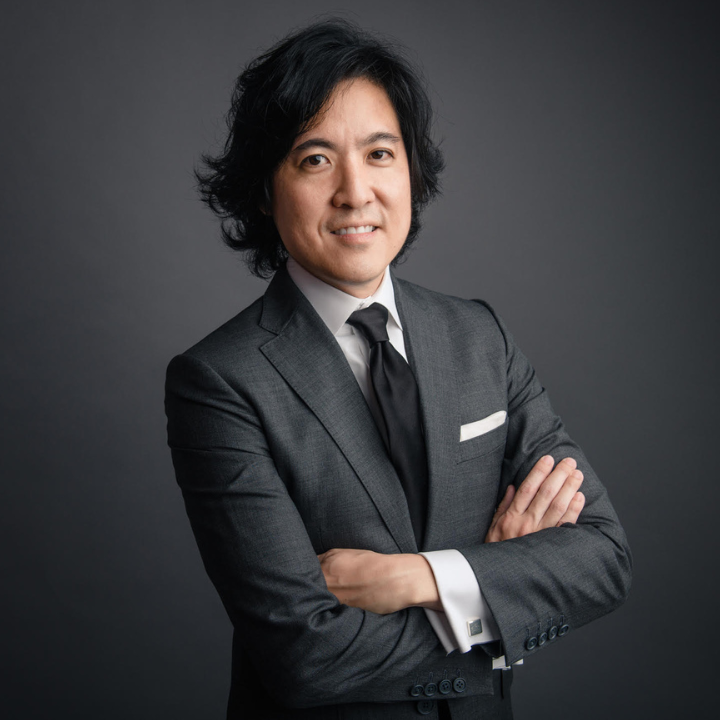
Reviewed by Dr Jonathan Liu
Principal Dentist and Founder · Certified Invisalign Provider · Dentalis Singapore
Dr Jonathan Liu has more than 25 years of experience in dentistry and leads all Invisalign treatment planning at Dentalis, using the iTero® Lumina Pro scanner for digital case staging. His approach incorporates Facial Harmony Planning — evaluating outcomes in the context of the whole face, not just the teeth. View full profile →
Editorial Standards
This article was produced by the Dentalis Editorial Team, led by Jennifer Choi (Marketing Director, 20+ years in brand, digital, and healthcare communications) and reviewed for medical accuracy by Dr Jonathan Liu in accordance with Singapore Ministry of Health (MOH) guidelines. Our content supports informed decisions but does not replace personalised clinical advice.
Further Reading
More on Invisalign at Dentalis
Start with Clarity
Book Your 15-Minute Virtual Invisalign Consult
No obligation. No charge. A remote smile assessment with photo review and optional video consult — designed to help you understand your options before visiting. At Dentalis, every Invisalign case is personally staged and reviewed by Dr Jonathan Liu.