
Home / Sleep Apnea / Sleep Apnea in Singapore
Sleep Apnea in Singapore: Symptoms, Diagnosis and Treatment Options
Obstructive sleep apnea (OSA) is one of the most common and underdiagnosed sleep disorders in Singapore. An estimated 30.5% of Singapore adults have moderate to severe OSA — and up to 91% of them do not yet know it. This guide covers what sleep apnea is, how it is diagnosed, the health consequences of leaving it untreated, and the full range of treatment options available in Singapore, including when a dentist can help.
Sleep apnea is a condition in which the upper airway repeatedly collapses during sleep, reducing or stopping airflow. It is diagnosed through a sleep study and graded by the apnea-hypopnea index (AHI). Treatment options include CPAP, custom mandibular advancement devices (MADs), and surgery. A Singapore clinical trial (CRESCENT, JACC 2024) found a MAD was non-inferior to CPAP for lowering 24-hour blood pressure in OSA patients — supporting MAD as a clinically justified alternative for mild to moderate cases, or where CPAP is not tolerated.
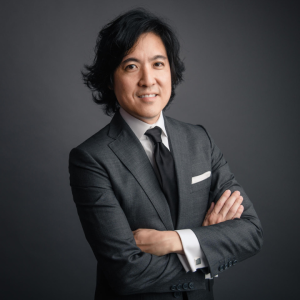 Medically reviewed by
Dr Jonathan Liu
· BDS (NUS) · SDC Reg. D21395J · 25+ Years · 10,000+ Patients
Medically reviewed by
Dr Jonathan Liu
· BDS (NUS) · SDC Reg. D21395J · 25+ Years · 10,000+ Patients
Sleep Apnea in Singapore
Sleep apnea is a sleep disorder in which the muscles of the upper airway — the soft palate, uvula, tongue, and tonsils — relax excessively during sleep and partially or completely block the airway. When airflow stops entirely, it is called an apnea. When it is significantly reduced, it is called a hypopnea. These events can occur dozens or hundreds of times each night, fragmenting sleep and reducing blood oxygen levels without the person being aware.
The condition is common. A community study of Singaporean adults published in Respirology (Tan A et al., 2016) found that 30.5% of Singapore adults had moderate to severe obstructive sleep apnea — defined as an apnea-hypopnea index (AHI) of 15 or more events per hour. The same study estimated that up to 91% of those affected had not yet been diagnosed. Their condition is progressing silently, often for years.
In 2025, the Singapore Sleep Society and the Chapter of Sleep Medicine Physicians of the Academy of Medicine Singapore published the first Singapore national consensus statements on the management of obstructive sleep apnea (Leow LC et al., Ann Acad Med Singap 2025;54:627–643) — the most current local clinical guidance, drawing on evidence across respiratory medicine, ENT surgery, and dental sleep medicine.
Three factors make OSA particularly prevalent in Asian populations: higher rates of upper airway soft tissue volume relative to craniofacial size, a lower BMI threshold at which OSA becomes clinically significant, and a higher proportion of central obesity. East Asian patients develop clinically significant OSA at lower body weights than European populations — a finding confirmed in a 2025 systematic review of East Asian MAD outcomes (Yong CW et al., J Clin Sleep Med 2025).
Symptoms Worth Recognising
The signs of sleep apnea often appear first to someone else — a partner who mentions the snoring, or notices the pauses in breathing. The person experiencing it tends to notice the downstream effects: the tiredness that persists despite adequate hours of sleep, the headache that is already present before the day has begun.
Screening Tools for Sleep Apnea
Two validated screening tools are used clinically in Singapore — by GPs, ENT specialists, sleep physicians, and dentists — to assess OSA risk before a sleep study is arranged. Neither replaces a sleep study, but both help identify who should be investigated further.
STOP-BANG Questionnaire
8 risk factors, yes or no
Snoring · Tiredness · Observed apnea · high blood Pressure · BMI >35 · Age >50 · Neck >40cm · male Gender. Score of 3 or more indicates intermediate to high risk. Cited in Singapore's 2025 national consensus (Leow et al.).
Take the STOP-BANG Quiz →Epworth Sleepiness Scale
8 daytime situations, scored 0–3
Measures how likely you are to doze off in ordinary situations — reading, watching television, sitting in traffic. Total score 0–24. A score above 10 signals excessive daytime sleepiness worth investigating. The Epworth measures the symptom of sleepiness; the STOP-BANG measures OSA risk factors. Both together give a fuller clinical picture.
Neither tool is a diagnosis. A sleep study — either in-lab polysomnography (PSG) or a validated home sleep apnea test (HSAT) — is required to confirm OSA and determine severity. Can a dentist treat sleep apnea? Full guide →
How Sleep Apnea Is Diagnosed in Singapore
A diagnosis of obstructive sleep apnea requires a sleep study — a structured recording of physiological data during sleep, used to calculate the apnea-hypopnea index (AHI).
Normal
AHI < 5
events/hour
Mild OSA
AHI 5–14.9
events/hour
Moderate OSA
AHI 15–29.9
events/hour
Severe OSA
AHI ≥ 30
events/hour
Two Types of Sleep Study
In-lab polysomnography (PSG) is the gold standard. Conducted overnight at a sleep laboratory, it records brain activity (EEG), eye movements, muscle activity, heart rate, airflow, respiratory effort, blood oxygen saturation, body position, and limb movements. SGH Sleep Centre, NUH, KKH, Raffles, and Mount Elizabeth all offer PSG. For patients who go through the SGH public pathway and receive a mild AHI result, the CPAP device is typically not subsidised — making a mandibular advancement device a natural next conversation.
Home sleep apnea testing (HSAT) uses a portable wearable device to record airflow, oxygen saturation, and pulse rate overnight. HSA-approved devices — including validated sleep rings — are increasingly used as a first-line diagnostic option in Singapore for adults with moderate to high likelihood of OSA, and are used at Dentalis as part of the MAD titration process. Results are typically available within 24 hours.
Who diagnoses sleep apnea in Singapore? OSA is diagnosed by a sleep physician, respiratory physician, or ENT specialist. A dentist does not diagnose OSA under SDC scope. A dentist can provide a mandibular advancement device once a diagnosis exists.
Sleep Apnea Treatment Options in Singapore
Treatment is stratified by severity, patient preference, and tolerance. Singapore's 2025 consensus statements (Leow LC et al.) position CPAP as first-line for moderate-to-severe OSA; mandibular advancement devices are an established alternative for mild-to-moderate cases or where CPAP is not tolerated.
Continuous Positive Airway Pressure (CPAP)
Delivers pressurised air through a nasal or full-face mask during sleep, preventing airway collapse. Most effective at reducing AHI across all severity levels. Real-world limitation: only 13.8% of Singapore patients are still using CPAP at one year. CPAP machines are not MediSave claimable.
Mandibular Advancement Device (MAD)
A custom oral appliance fitted by a dentist, holding the lower jaw forward during sleep to widen the upper airway. A Singapore clinical trial (CRESCENT, JACC 2024) found the MAD was non-inferior to CPAP for lowering 24-hour blood pressure in OSA patients with hypertension. Patient adherence strongly favours MAD over CPAP. How MADs work →
Upper Airway Surgery
Options include tonsillectomy, UPPP, maxillomandibular advancement (MMA), and hypoglossal nerve stimulation (available at SGH). Some procedures appear on the MOH Table of Surgical Procedures (TOSP) and may be MediSave claimable when performed in a licensed facility. Generally reserved for patients who do not respond to CPAP or MAD.
Positional Therapy & Lifestyle
For patients with positional OSA (predominantly supine), positional therapy can reduce event frequency. Weight loss, alcohol reduction, and avoidance of sedating medications can reduce OSA severity. These are supportive measures, not primary treatments. Used alongside, not instead of, a primary intervention.
The Health Consequences of Untreated Sleep Apnea
Sleep apnea is not a nuisance condition. Left untreated, it places sustained physiological stress on the cardiovascular, metabolic, and neurological systems. At Dentalis, sleep is considered part of the foundation of long-term health — addressing airway dysfunction is part of a framework that takes a whole-person view of wellness and longevity.
Heart, Blood Pressure & Stroke
Untreated OSA is associated with hypertension, higher rates of heart attack, stroke, and arrhythmias. Repeated oxygen desaturation events during sleep place chronic stress on the cardiovascular system. A Singapore RCT (CRESCENT, JACC 2024) found that MAD therapy was non-inferior to CPAP for reducing 24-hour blood pressure in OSA patients with hypertension. Untreated OSA has been associated with close to double the risk of stroke or death in long-term follow-up (Yaggi et al., NEJM 2005).
Insulin Resistance & Weight
OSA has been linked to insulin resistance — a precursor to type 2 diabetes. The inability to reach restorative sleep disrupts hormone regulation, elevating cortisol and hunger signals. This can contribute to weight gain, which in turn worsens OSA — a cycle that is difficult to break without addressing the airway directly.
Memory, Focus & Mental Health
Chronic sleep fragmentation impairs memory consolidation, executive function, and decision-making. OSA is linked to higher rates of anxiety and depression, and to elevated risk of workplace and driving accidents. The cognitive burden of untreated OSA in high-performance professionals is significant and frequently goes unrecognised for years.
The Effect on Your Partner — and on Intimacy
Sleep apnea rarely affects only the person who has it. A systematic review (Luyster FS, JCSM 2017) found that bed partners of OSA patients experienced significant sleep disruption — fragmented nights, daytime fatigue, and elevated anxiety — even when they did not have OSA themselves. Partners frequently move to separate rooms, reducing the physical and emotional proximity that shared sleep provides.
The relational impact extends further. Research published in the Journal of Clinical Sleep Medicine (Reishtein JL et al., 2010) found that men with OSA reported significantly impaired intimate and sexual relationships compared to normal values — and that these outcomes improved meaningfully with effective treatment. Treating sleep apnea is not only a health intervention. For many couples, it is a quiet restoration of the ordinary intimacy that disrupted nights quietly erode.
The Role of a Dentist in Sleep Apnea Treatment
A general dentist — working within the scope regulated by the Singapore Dental Council (SDC) — can provide mandibular advancement device therapy for sleep apnea. Dental sleep medicine is not a recognised specialty under the SDC; it sits within general dentistry scope. Singapore's 2025 consensus explicitly supports oral appliance therapy as a recognised treatment option provided by dentists with appropriate training.
Assess dental, periodontal, and TMJ suitability · Take a digital scan or impression · Fabricate and fit a custom device · Titrate and adjust at follow-ups · Monitor dental and TMJ response · Use an HSA-approved home sleep test to guide and verify titration
Diagnose OSA — this requires a sleep study and a qualified physician or ENT · Prescribe medications for OSA · Order or interpret polysomnography diagnostically
Insufficient teeth for device anchorage · Significant active periodontal disease · Active TMJ disorders · Severe OSA as sole treatment without medical review · Confirmed at dental assessment before fabrication
Already diagnosed? If you have a confirmed sleep study report and AHI result from a sleep physician or ENT, you can consult a dentist directly — no repeat diagnostics required. See the Dentalis sleep apnea service → | Full clinical guide: Can a dentist treat sleep apnea? →
“What I see most often in practice is a patient who was diagnosed months or years earlier and has never followed through with treatment — usually because CPAP felt unmanageable. For these patients, the conversation about a mandibular advancement device is genuinely useful. A Singapore clinical trial has now shown that a MAD can be non-inferior to CPAP for blood pressure outcomes in our own population. The choice is no longer about compromise — it is about which treatment the patient will actually use, every night, for years.”
— Dr Jonathan Liu · Principal Dentist and Founder · BDS (NUS) · SDC Reg. D21395J · 25+ Years
The Sleep Apnea Dental Treatment Process at Dentalis
Every dental practice approaches MAD therapy differently. The following steps describe how Dentalis manages sleep apnea cases — from first consultation through to confirmed treatment outcomes. A home sleep test is used not only to establish a diagnosis, but as an objective titration tool: tracking real AHI data at different jaw advancement positions to find the precise setting that clears the airway while protecting the jaw joint.
Step 1
Symptoms or existing diagnosis
If no diagnosis exists, symptoms are discussed and the patient may be referred to a sleep physician or ENT, or proceed with a home sleep test at Dentalis. If a diagnosis already exists, bring the sleep study report and AHI result to the first appointment.
Step 2
Dental assessment
Assessment of teeth, periodontal health, bite (occlusion), jaw range of motion, and TMJ function. This confirms candidacy and identifies any dental work required before fabrication.
Step 3
Digital scanning
iTero Lumina Pro intraoral scan captures the precise anatomy of the teeth and bite. This data, combined with the AHI report from the home sleep test, informs the custom device fabrication.
Step 4
Orthoapnea NOA fabrication
The Orthoapnea NOA is fabricated digitally, customised to each patient's individual jaw biomechanics — advance sequence, lateral movement, vertical dimension, and opening limitation. Delivery: two to four weeks.
Step 5
Fitting & titration
The device is fitted and advanced progressively in precise millimetre increments via exchangeable lower splints over four to six months. The goal is to identify the exact minimum advancement needed to clear the airway — protecting the jaw joint and dentition — rather than simply advancing as far as possible.
Step 6
Follow-up sleep test
A follow-up sleep test with the device in place confirms whether the target AHI reduction has been achieved. Objective data — not just reported improvement in snoring or daytime fatigue — determines whether titration is complete or further adjustment is needed.
Step 7
Ongoing monitoring
Annual or biannual reviews monitor device fit, tooth and TMJ response, and device condition. Custom MADs are typically replaced every three to five years with normal use.
Scroll to see all steps →
Sleep Apnea Treatment Cost in Singapore
The cost of sleep apnea treatment varies significantly by pathway. Figures below represent the Singapore market range — fees at individual clinics vary. All fees before 9% GST.
| Item | Singapore market range (before GST) | Notes |
|---|---|---|
| Home sleep apnea test (HSAT) | S$300–S$900 | HSA-approved devices; includes clinical AHI report |
| In-lab polysomnography (PSG) | S$700–S$3,500 | Gold standard; public pathway available at SGH, NUH, KKH |
| Custom mandibular advancement device | S$2,500–S$5,500 | Custom lab-fabricated; not OTC or boil-and-bite devices |
| CPAP machine | S$1,200–S$2,500 | APAP/BiPAP higher; not MediSave claimable |
| OSA surgery (TOSP-listed) | Variable by procedure | MediSave claimable for eligible TOSP procedures |
MediSave, CHAS, and Insurance
MediSave
Mandibular advancement devices for sleep apnea are not MediSave claimable. MediSave applies to inpatient hospitalisation and day surgery procedures on the MOH Table of Surgical Procedures (TOSP). A custom oral appliance fitted by a dentist is not a TOSP-listed procedure. CPAP machines are also not MediSave claimable — they are outpatient equipment. Some OSA surgical procedures (tonsillectomy, UPPP, nasal surgery) do appear on the TOSP and may be claimed when performed in a licensed facility.
CHAS
Community Health Assist Scheme (CHAS) dental subsidies cover specified routine procedures. Mandibular advancement devices and sleep apnea oral appliance therapy are not included.
Private Insurance
Some private health insurance plans include coverage for sleep apnea treatment. Integrated Shield Plans may cover inpatient surgical pathways where OSA surgery is required. Coverage for dental oral appliance therapy varies by policy — verify your terms with your insurer before committing to treatment.
Sleep Apnea in Singapore — FAQs
Snoring is caused by vibration of soft tissues in the upper airway as air passes through a narrowed passage. Sleep apnea occurs when the airway collapses sufficiently to stop or significantly reduce airflow, causing the brain to partially arouse from sleep to reopen it. Not all snorers have sleep apnea, but many people with sleep apnea do snore. A sleep study is required to distinguish them.
A community study (Tan A et al., Respirology 2016) found that 30.5% of Singapore adults have moderate to severe obstructive sleep apnea — an AHI of 15 or more events per hour. Up to 91% of this group had not been clinically diagnosed at the time of the study.
No. Diagnosis requires a sleep study, ordered and interpreted by a sleep physician, respiratory physician, or ENT specialist. A dentist's role is to assess dental suitability for a mandibular advancement device and fit and titrate the device once a diagnosis exists. At Dentalis, a home sleep test is used both to establish a baseline and to objectively guide MAD titration.
CPAP produces greater AHI reduction than a MAD in controlled trials. However, real-world adherence strongly favours MAD — only 13.8% of Singapore patients diagnosed with OSA continue CPAP use at one year (Tan B et al., Am J Otolaryngol 2018). Critically, the Singapore CRESCENT trial (Ou et al., JACC 2024) found a MAD was non-inferior to CPAP for lowering 24-hour blood pressure in OSA patients with hypertension. For mild to moderate OSA, or where CPAP is not tolerated, a MAD is a clinically justified alternative.
Mandibular advancement devices and CPAP equipment are not MediSave or CHAS claimable. Some OSA surgical procedures listed on the MOH Table of Surgical Procedures are MediSave claimable when performed in a licensed facility. Private insurance coverage varies by policy.
Custom MADs at Singapore dental clinics range from approximately S$2,500 to S$5,500, depending on the clinic and device. This typically includes the device, fitting, and follow-up titration appointments. At Dentalis, fees and inclusions are confirmed at consultation. All fees before 9% GST.
For mild OSA, CPAP is often not subsidised through the public pathway. A mandibular advancement device is a recognised treatment option for mild sleep apnea and is typically more comfortable to adhere to. A dental assessment confirms whether you are a suitable candidate. Bring your sleep study report and AHI result to the first appointment.
A systematic review (Luyster FS, JCSM 2017) found that partners of OSA patients experience significant sleep disruption, daytime fatigue, and relationship strain — even when they do not have OSA themselves. Partners frequently move to separate rooms. Research also shows that OSA has an adverse impact on intimate and sexual relationships, with the greatest impairment in those with the most severe disease — and that effective treatment improves these outcomes significantly (Reishtein JL et al., JCSM 2010). Treating sleep apnea is often a relationship decision as much as a health one.
Patients with insufficient teeth to anchor the device, significant active periodontal disease, active temporomandibular joint (TMJ) disorders, or severe OSA as the sole treatment may not be suitable. A dental assessment identifies these factors before fabrication begins.
Yes. If you have a confirmed diagnosis from a sleep physician or ENT specialist — including a sleep study report and AHI result — you can consult a dentist who provides MAD therapy directly, without requiring re-diagnosis. Bring your sleep study report to the first appointment.
References
Singapore-specific clinical sources are prioritised. All statistics and clinical claims are sourced and linked where publicly accessible.
- Leow LC, Lee CP, Venkateswaran S et al. — Singapore consensus statements on the management of obstructive sleep apnoea. Ann Acad Med Singap, 2025;54:627–643. Cited for: Singapore national clinical guidance on OSA diagnosis, treatment pathway, and MAD therapy.
- Ou YH, Colpani JT, Cheong CS et al. — Mandibular Advancement vs CPAP for Blood Pressure Reduction in Patients With Obstructive Sleep Apnoea (CRESCENT trial). J Am Coll Cardiol, 2024;83:1760–1772. Cited for: Singapore RCT — MAD non-inferior to CPAP for 24-hour blood pressure reduction.
- Tan A, Cheung YY, Yin J et al. — Prevalence of sleep-disordered breathing in a multiethnic Asian population in Singapore. Respirology, 2016;21(5):943–950. Cited for: 30.5% moderate-severe OSA prevalence in Singapore adults.
- Tan B, Tan A, Chan YH et al. — Adherence to CPAP therapy in Singaporean patients with Obstructive Sleep Apnea. Am J Otolaryngol, 2018;39:501–506. Cited for: 13.8% one-year CPAP adherence in Singapore.
- Yong CW, Quah B, Colpani JT et al. — Effectiveness of mandibular advancement devices in OSA therapy for East Asian patients. J Clin Sleep Med, 2025;21:1261. Cited for: East Asian-specific MAD efficacy data.
- Luyster FS — Impact of Obstructive Sleep Apnea and Its Treatments on Partners: A Literature Review. J Clin Sleep Med, 2017;13(3):467–477. Cited for: partner sleep disruption, relationship strain, and intimacy impact of untreated OSA.
- Reishtein JL, Maislin G, Weaver TE — Outcome of CPAP Treatment on Intimate and Sexual Relationships in Men with Obstructive Sleep Apnea. J Clin Sleep Med, 2010;6(3):221–226. Cited for: OSA adverse impact on intimacy and sexual relationships; improvement with treatment.
- Lim J et al. — Oral appliances for obstructive sleep apnoea. Cochrane Database Syst Rev, 2006. Cited for: oral appliance efficacy vs control; AHI reduction; patient preference over CPAP.
- Yaggi HK et al. — Obstructive sleep apnea as a risk factor for stroke and death. N Engl J Med, 2005;353:2034–2041. Cited for: cardiovascular risk — stroke and mortality data.
Reviewed by Dr Jonathan Liu, BDS National University of Singapore · SDC Registration D21395J · Principal Dentist and Founder, Dentalis · 25+ years of clinical experience · 10,000+ patients. Last reviewed: August 2026. Next review: February 2027.
This guide prioritises Singapore clinical sources, including the 2025 national consensus on OSA management (Leow et al., Ann Acad Med Singap 2025), the Singapore CRESCENT trial (Ou et al., JACC 2024), Singapore CPAP adherence data (Tan B et al., 2018), and partner impact research (Luyster FS, JCSM 2017; Reishtein JL et al., JCSM 2010). It draws additionally on Cochrane and PubMed sources. Sleep apnea in Singapore has been covered in recent reporting including Channel NewsAsia (2025).
This guide provides general patient education and does not constitute clinical advice or a treatment quote. Suitability for a mandibular advancement device is confirmed only after in-person clinical assessment, including review of a current sleep study and dental and TMJ evaluation. Cost figures represent the Singapore market range and do not constitute a Dentalis quote — Dentalis fees are available on the sleep apnea service page. All fees before 9% GST. Dentalis reserves the right to revise pricing without prior notice. Fee information provided in accordance with the Healthcare Services (Advertisement) Regulations 2021. Dentalis is a MediSave-accredited and CHAS-enrolled private dental clinic at 52 Craig Rd, Tanjong Pagar, Singapore 089690. Maxwell MRT (TE18, Exit 3) · Tanjong Pagar MRT (EW15) · Outram Park (EW16/NE3/TE17).
A Consultation Is the Right Place to Begin.
A clinical assessment confirms your suitability, the right device for your sleep apnea profile, and transparent pricing — with no obligation.
Nothing is scheduled until you are ready.
From S$3,500 incl. home sleep test, Orthoapnea NOA, fitting & titration (before GST) · Mon–Fri 9am–6pm · Sat 9am–1pm · 52 Craig Rd, Tanjong Pagar · Maxwell MRT (TE18) · Tanjong Pagar MRT (EW15)