
A Dentist’s Personal View · Dentist Career Guide · Singapore
Should You Join a Dental Chain or a Smaller Private Practice?
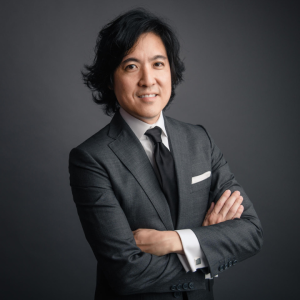
Written by
Dr Jonathan Liu · Principal Dentist and Founder · BDS (NUS) · 25+ Years
The Short Answer
It depends on where you are in your career and what you are optimising for. Dental chains offer patient volume and administrative support for dentists building clinical experience. Independent private clinics offer autonomy, patient continuity and — in some practices — a realistic path to ownership or equity. The most common trajectory for Singapore dentists is one to three years at a chain, followed by a move to a smaller practice, a specialist role, or a principal position. The choice is not between good and bad. It is between what you need now and what you are building toward.
One question cuts across all practice types: who gets to do the complex cases? The answer shapes your clinical development more than any other single factor — at a chain or at an independent.
At a Glance
Key Numbers for Singapore Dentists
Largest dental chain
Q&M: 123 clinics
Singapore’s largest private dental chain · SGX-listed · island-wide
Associate commission
30–40% of net revenue
After deducting laboratory costs · a S$25,000/month chair generates roughly S$8,750–S$11,250 take-home
Annual NUS graduates
∼50–60 dentists
Singapore’s only domestic dental school · a constrained local talent pipeline
Registered dentists (2024)
2,812 total
454 dental specialists · 2,358 general dentists · SDC register
Median dentist income
∼S$96,000/year
Private associates: S$84k–S$160k+ depending on chair utilisation · MOM 2026
Public vs private split
~583 public · ~2,104 private
Most Singapore dentists work in the private sector across chains and independent practices
Dental Service Organisations
The Main Dental Chains in Singapore
Singapore has a small number of dental chains operating at larger scale. These are groups where a management entity handles non-clinical operations — HR, billing, supply chain, marketing and IT — while the dentists focus on patient care.
Q&M Dental Group (SGX: QC7) is the largest private dental chain in Singapore, with over 120 clinics island-wide. It is publicly listed.
Royce Dental operates 41 clinics across Singapore, comprising 27 Royce Dental outlets and 14 NTUC Denticare clinics, which form part of the same group. The NTUC Denticare clinics emphasise accessible pricing for union members.
Nuffield Dental operates 11 clinics. It has a substantial network, with most clinics in CBD and premium suburban locations.
Chains are not a monolith. Culture, commission rates, production expectations and clinical independence vary significantly between operators — and between individual clinics within the same group. The name on the door tells you less than a direct conversation with a dentist who already works there.
For Overseas-Trained Dentists
If You Trained Overseas: Registration Pathways and What to Prepare
If you trained outside Singapore and are returning or relocating to practise here, the registration pathway depends on whether your degree is from a school recognised by the Singapore Dental Council (SDC). Either way, the process takes time — and the chain versus clinic question becomes relevant only once registration is underway.
Category A — recognised overseas degree. Dentists holding a degree from a university listed in the SDC Schedule may apply for Conditional Registration, provided they have also passed the relevant licensing examination in the country where they trained (such as a State or Regional Board examination). A current list of recognised schools is available on the SDC website. Note: from 1 January 2029, dentists from recognised schools will also be required to pass the SDC Qualifying Examination before being considered for Conditional Registration — a significant change for those planning ahead.
Category B — non-recognised degree. Dentists whose qualifications are not on the SDC Schedule must first sit and pass the SDC Qualifying Examination (QE) before applying for Conditional Registration. The QE covers both written and clinical components. Eligibility criteria for the QE are published separately by the SDC.
Conditional Registration — what it involves. Once conditionally registered, you are required to work for the equivalent of two years full-time — defined as a minimum of 30 hours per week — under supervision. The clinic employing you is required to nominate two supervisors (Supervisor 1 and Supervisor 2), each of whom can supervise a maximum of two conditional registrants at any one time. You can practise at no more than two locations during the conditional period. Supervisors submit reports to the SDC every six months. After two years, having met all conditions, you may apply for conversion to Full Registration, subject to the Council’s approval.
In practice, finding a clinic with two eligible supervisors available — and a principal willing to take on the administrative obligations that come with supervising a conditional registrant — is the step most candidates underestimate. Start this conversation early, before you arrive in Singapore. The process takes time, and the clinic, not the registrant, is responsible for formally nominating your supervisors with the SDC.
Private Clinics
What Is an Independent Private Clinic?
An independent private clinic is owned and run by a principal dentist — or a small group of principals — rather than by a management company or parent group. Regular patients are typically seen by the same dentist rather than a rotating roster — a meaningful continuity advantage for both patient care and for an associate building a long-term clinical relationship.
Independent clinics range from single-chair solo practices to multi-dentist boutique settings with specialist visiting arrangements. What distinguishes them is accountability: clinical decisions, practice culture and patient experience flow directly from the principal. There is no regional manager, no centralised scheduling template, and no corporate KPI being tracked across 100 locations.
For the associate dentist, this depends entirely on the principal. Where the principal actively mentors and is willing to share complex cases — implant restorations, aligner treatment, surgical extractions, full-mouth treatment planning — an independent clinic can offer a depth of clinical development that a chain environment cannot replicate.
Earnings Comparison
Income, Commission and Benefits: How They Compare
Most private dental associates in Singapore are paid a percentage of the revenue they generate for the clinic — whether at a chain or an independent practice. The typical commission split is 30 to 40 per cent of total treatment revenue, calculated after deducting laboratory costs for items such as crowns and dentures.
For dentists new to practice, some clinics offer a guaranteed monthly base for the first three to six months, with commission earned on production above a defined threshold. This reduces income volatility while you are still building chair speed and a patient base from scratch.
Chains generally provide volume — more patient appointments, more quickly, with less downtime in the early months. For a dentist in the first year or two, this can make chains more financially attractive even when the commission rate is similar to a smaller practice. At independent clinics, income is more variable initially but tends to grow faster if the dentist develops a loyal patient base and moves into higher-value case types — Invisalign, implants, restorative work.
Beyond commission, the employment structure also differs. At larger dental chains, the employment relationship is formalised: CPF contributions, annual leave, medical and hospitalisation benefits. For overseas-trained dentists navigating an employment pass, the chain’s HR infrastructure can help simplify some of the administrative process.
At independent clinics, benefits depend on the principal and the practice’s scale. Some smaller practices match what a chain would offer. Independent clinics offer more flexibility in the working relationship — and, in some cases, the possibility of equity or partnership — but require more due diligence on the terms yourself.
Clinical Decision-Making
Clinical Autonomy
The most common concern dentists raise about chains is clinical autonomy. The concern is legitimate, but its manifestation is often subtler than overt instruction.
No chain can legally direct clinical decisions. What chains do operate are standardised scheduling templates, preferred supplier lists, appointment duration targets, and production dashboards visible to clinic managers.
At an independent clinic, there is generally more flexibility in how things are structured and managed.
Clinical Development
The Work You Get to Do
The commission structure and the working hours will affect your income and lifestyle. The cases you get to do will determine who you become as a clinician.
In conversations with dentists during our hiring process, a recurring theme emerged across both chains and independent practices: a principal or senior dentist who retains the more complex or higher-value cases for themselves — Invisalign, braces, implant restorations, complex surgical extractions — while the associate manages the routine treatment load. Scaling and polishing. Simple fillings. Straightforward extractions.
This is not a problem unique to one type of practice. At chains, it may be a principal whose clinical interest is orthodontics who takes every aligner case, or a clinic owner focused on implants who handles every surgical referral. At an independent, it may be a principal who simply prefers to keep the cases that attract better revenue. The associate inherits the volume. Volume has value — particularly early in a career — but it has a ceiling.
| A good mentorship | Things worth clarifying before you join |
|---|---|
| Associate sees a mix of case types from early on, not only routine treatment | Complex cases — aligners, implant restorations, surgical extractions — are consistently handled by the senior dentist alone |
| Principal explains their clinical rationale on complex cases and invites questions | Associate is expected to build volume on SAP, fillings and simple extractions with no clear path to more complex work |
| There is a culture of case discussion — interesting cases are talked about, not kept | The question “what cases will I handle?” is deflected or answered only in general terms during the interview |
| The principal is open about what types of work the associate will be involved in from the first month | No senior dentist has left the practice with positive things to say about clinical development there |
Before accepting any role, ask directly: what does a typical month of cases look like for an associate here? If the answer focuses on volume rather than variety — or if the question is deflected — that is an answer in itself.
Long-Term Career Asset
Building a Patient Base
One of the most consequential questions to ask before accepting any dental role in Singapore — at a chain or an independent clinic — is: who owns the patient relationship if I leave?
At most practices, the answer is: the clinic does. Most associate agreements in Singapore prohibit you from contacting former patients directly or encouraging them to follow you to another practice. The patients you treat over two or three years are an asset of the clinic’s database, not of your personal career. Your clinical reputation and skill are yours. The patient list is not.
Most associate agreements also include a restrictive covenant — typically a geographic and time-limited non-compete clause — that limits where you can practise for a defined period after departure. At chains, these clauses tend to be standardised and non-negotiable. At independent clinics, the terms vary — and some principals, particularly those planning for succession or longer-term continuity arrangements, structure the relationship with the associate’s future more deliberately in mind.
The commission rate is the visible number at the front of every offer. The patient ownership clause and the restrictive covenant are the ones that shape the decade that follows.
Daily Working Life
Culture, Pace and Working Hours
The most underestimated dimension of any dental role in Singapore is working hours — and this maps more reliably onto heartland versus CBD location than onto chain versus independent ownership.
Heartland dental clinics run extended hours. Evening sessions until 8 or 9pm are common. Saturday and Sunday sessions are routine. This reflects the patient base: families and working adults who need appointments outside standard business hours. Whether the clinic is a chain or an independent heartland practice, the operational model is similar — long days, high volume, consistent demand.
CBD and premium clinics operate differently. Standard hours run Monday to Friday during business hours, with a Saturday morning session. Evening and Sunday openings are uncommon. The patient profile is different — professionals, expats and mid-career adults with more flexibility in when they can attend and more willingness to invest in thorough, longer appointments. The working week is closer to a professional services standard than a retail healthcare model.
For most dentists, the heartland versus CBD distinction predicts daily working life more accurately than the chain versus independent label. A clinic in Ang Mo Kio and one in Raffles Place are different working environments — regardless of who owns them. A heartland independent can be as demanding in hours and volume as any chain; a premium group practice in the CBD may offer a more measured pace than many solo independents.
If work-life balance matters, ask specifically about hours and patient volume during any interview — not just what the contract says, but what a typical week actually looks like for the dentists already working there.
Practice Types Compared
From Heartland Chains to Boutique Clinics: Three Tiers to Understand
The dental practice landscape in Singapore runs across a spectrum — from large heartland chains to single-location boutique independents. Understanding where each type of practice sits helps you assess what kind of clinical environment you would actually be entering.
Tier 1
Large Heartland Chains
Q&M Dental Group (123 clinics) and Royce Dental / NTUC Denticare (41 clinics) operate at scale across neighbourhood locations island-wide. These are volume-first practices: accessible fee levels, high patient throughput, extended hours including evenings, Saturdays and Sundays, and standardised clinical processes across a large network.
Well-suited to dentists building procedural speed and clinical confidence in the early years. Career progression within these groups is typically administrative rather than clinical.
Tier 2
Premium Groups (3–10 Clinics)
Practices such as Nuffield Dental operate in a different segment — positioned in prime areas, shopping malls or premium suburban locations.
A middle ground between chain infrastructure and independent clinical culture — with commission structures and benefit packages broadly similar to the larger chains.
Tier 3
Boutique Independent Practices
Practices such as Dentalis — one to three locations, principal-led, a patient base who has different needs. There is no regional manager and no production dashboard imposed from above. The clinical culture is set directly by the principal and visible to every associate working there. Working hours follow a consistent, professional schedule.
In some practices — including Dentalis — the longer-term path for the right dentist includes equity or partnership, which is not available at any managed chain of any tier.
The most important question when evaluating any practice is not which tier it belongs to, but whether this particular principal’s clinical values, patient philosophy, associate structure and longer-term vision align with yours — and, if you are a fresh graduate, whether they are willing to mentor you.
Career Decision
Who Should Join Which — A Framework
Fresh graduates (0–2 years post-BDS)
Consider a dental chain first
Volume builds procedural confidence faster than a quieter practice. The structural support — billing, scheduling, supply — removes administrative friction while you focus on developing clinical speed and accuracy. The income floor is more predictable early on. Treat the first one to two years as an intensive clinical residency.
Mid-career dentists (3–8 years)
The pivotal decision point
If you have built clinical confidence and have a specialty interest or patient retention instinct, an independent clinic allows you to develop the asset that chains cannot offer: a transferable clinical reputation and a case mix that reflects your focus. Look for a principal with clear clinical values, a fair associate structure and transparency about the longer-term path. Ask about the restrictive covenant before anything else.
Senior or specialist-track dentists
Independent or specialist group
If you are working toward a principal role, a partnership or an equity position, the chain model does not offer a realistic path to ownership. Independent clinics — particularly those where the principal is considering an exit or growth — are where equity conversations are possible. Know what you are negotiating for before you accept a position.
An Alternative
A Third Option: Boutique Independent with Infrastructure
Most conversations about dentist career choices in Singapore are framed as a binary: chain or independent. There is a third category that sits in neither — the boutique independent with the infrastructure of a well-funded practice but the clinical culture and patient philosophy of a principal-led clinic.
These practices are uncommon in Singapore but they do exist. The defining characteristics are: a principal who has invested seriously in equipment and clinical systems, a patient base with above-average case complexity and willingness to invest in care, a team small enough for the associate’s work to be visible, and — in some cases — an explicit longer-term path that includes equity or partnership.
For a dentist who has completed the chain phase and is evaluating what comes next, this category is worth looking for specifically — not just accepting whichever independent clinic has an opening when you are ready to move.
About Dentalis — We are an independent boutique dental clinic at 52 Craig Rd, Tanjong Pagar. We are not building the largest dental group in Singapore. We are building a practice that dentists are proud to work in, and the right people may one day help to own. If you are a dentist evaluating your next step, read more about what we are offering.
“The best clinical growth in the early years comes from being in the room when a case goes beyond the routine — watching how a senior handles complexity, and being invited to ask why. Not many will do that.”
Dr Jonathan Liu · Principal Dentist and Founder · BDS (NUS) · SDC Reg. D21395J · 25+ Years
Common Questions
Frequently Asked Questions
For most fresh graduates, a dental chain is the better starting point — primarily because of patient volume. The first two years of practice are about building procedural speed and clinical confidence, and chains provide more repetitions per week than a quieter independent clinic. The structured administrative environment also removes one layer of complexity while you are learning. Evaluate leaving when your clinical confidence is established and you are clear on what kind of practice and patient base you want to build.
The commission percentage at an independent clinic is often similar to a chain — typically 30 to 40 per cent of treatment revenue after deducting laboratory costs. The real earnings gap between heartland chains and boutique independent practices tends to widen over time, not immediately — and it depends more on case mix and patient profile than on the commission rate alone.
In most cases, no. Most associate agreements in Singapore — at chains and independent clinics alike — prohibit you from contacting former patients directly or encouraging them to transfer to another practice. The relationships you build over two or three years remain assets of the clinic, not of your career. Restrictive covenants also typically limit where you can practise for a defined period after departure.
The five clauses that matter most: how the commission is calculated and which costs are deducted; whether there is a guaranteed base and on what terms; restrictive covenant scope — geography, duration, and what constitutes a breach; patient database ownership — who the patients belong to if you leave; and notice period on both sides. A fair agreement is clear on all five. Any clause that is vague or missing is worth clarifying in writing before you sign.
Some clinics might offer equity overtime.
To practise in Singapore as an overseas-trained dentist, you will need conditional registration with the Singapore Dental Council, which requires two fully registered Singapore dentists to agree to act as your clinical supervisors during the conditional period. Larger dental chains — with more dentists on staff — are often a practical starting point for finding willing supervisors. Start the conversation early, before you arrive in Singapore if possible. Supervisors are not always easy to find, and securing both is the step most candidates underestimate. Having this in place before you commit to a move is strongly advisable.
Careers at Dentalis
Considering Your Next Step?
Dentalis is an independent boutique dental clinic at 52 Craig Rd, Tanjong Pagar. We are currently hiring across clinical and specialist roles, with a genuine longer-term path for the right dentist.
Sources
References
Income benchmarks, practice size data and career statistics cited in this guide are drawn from the following sources.
- Ministry of Manpower Singapore — Occupational Wages Survey (annual). The primary government source for dentist salary benchmarks in Singapore, including median and percentile earnings by occupation code.
- Singapore Dental Council — Annual Report. Registration data for dentists and dental specialists in Singapore, including 2024 figures on total registrations, public-private split and specialist count.
- Q&M Dental Group — Clinic Locator. Source for Q&M clinic count (123 clinics as of August 2026).
- Q&M College of Dentistry. Course catalogue confirming certificate programme scope, open enrolment, and clinical specialty coverage for dentists from any practice in Singapore.
- Note on peer-reviewed reference: This guide covers a career decision topic. The primary authoritative sources for career and salary data are government labour market statistics (MOM) and professional registration data (SDC). A peer-reviewed study on dentist job satisfaction and clinical autonomy can be added on request.
Author & Credentials
Written by
Principal Dentist and Founder · BDS (NUS) · SDC Reg. D21395J · 25+ Years of Clinical Experience · 10,000+ patients
Dr Jonathan Liu graduated from NUS and, after completing his government bond, went on to co-found Smile Works — his first independent dental practice — with a group of fellow dentists. He has spent more than 25 years as a clinic principal and practice owner, not as an associate, treating more than 10,000 patients and building clinical teams at different stages of their careers. The perspective in this guide is from the other side of the interview table: that of a principal who has hired dentists, shaped clinical environments and observed, over many years, what determines whether a practice becomes a place where a dentist genuinely grows — or simply a place where they work.