
Home / Mouth Guard / Bruxism & Teeth Grinding Singapore
Bruxism and Teeth Grinding in Singapore
Causes, symptoms, and treatment options — including custom night guards, lifestyle interventions, Botox, and the link between teeth grinding and sleep apnea.
Bruxism is the involuntary grinding or clenching of teeth — during sleep (sleep bruxism) or while awake (awake bruxism). It is multifactorial: stress, disrupted sleep, and certain medications are common contributors. There is no cure, but it can be managed with a custom night guard, lifestyle adjustments, and in some cases Botox injections. In Singapore, custom night guards are priced from S$300–S$1,000+ across private clinics; at Dentalis, from S$450 before GST. Night guards are not MediSave or CHAS claimable.
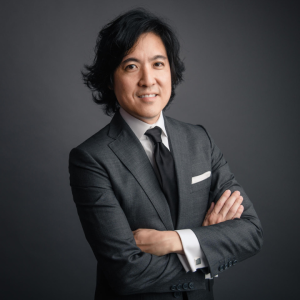 Medically reviewed by
Dr Jonathan Liu
· BDS (NUS) · SDC Reg. D21395J · 25+ Years
Medically reviewed by
Dr Jonathan Liu
· BDS (NUS) · SDC Reg. D21395J · 25+ Years
What Is Bruxism?
Bruxism is an oral parafunctional habit characterised by the involuntary, repetitive grinding or clenching of teeth. It is not a deliberate movement and, in the case of sleep bruxism, occurs without any possibility of awareness at all.
Clinically, bruxism divides into two types.
Nocturnal Bruxism
Occurs during sleep — specifically during arousal transitions between sleep stages. The person is unaware during episodes and typically discovers it through symptoms or a partner's account. The American Academy of Sleep Medicine classifies sleep bruxism as a sleep-related movement disorder. Because it happens unconsciously, it can continue unmanaged for years, causing progressive enamel wear that only becomes apparent when damage is extensive.
Diurnal Bruxism
Occurs during waking hours — usually without deliberate intention, during concentration, stress, or habitual jaw tension. This form tends to involve clenching more than grinding. The person may have some capacity to become aware of it, particularly with prompting. Occasional awake clenching is common and not typically harmful. It becomes clinically significant when frequent, sustained, or causing symptoms.
Bruxism may also be categorised as primary — occurring without an identifiable underlying condition — or secondary, associated with medications, neurological conditions, or sleep disorders.
How common is bruxism in Singapore? Prevalence estimates range from 8% to over 31% of adults depending on diagnostic criteria. The National Dental Centre Singapore identifies bruxism as a significant contributor to cracked teeth — an increasingly common clinical presentation in Singapore, particularly in adults aged 30 to 60.
Signs and Symptoms of Teeth Grinding
Bruxism is frequently diagnosed incidentally — during a routine check-up when wear patterns are observed that the patient had not noticed. A single symptom is rarely diagnostic; a pattern across several of the following is more meaningful.
What Causes Teeth Grinding?
Bruxism is multifactorial. No single cause accounts for all cases; most presentations involve a combination of psychological, physiological, and lifestyle factors interacting over time.
Stress and Anxiety
The most consistently cited contributing factor. Psychological tension — from work pressure, financial stress, relationship difficulties — appears to manifest physically through jaw activity. Bruxism episodes may increase during high-stress periods and subside when stress is managed. Present in most clinical presentations, but rarely the sole driver.
Sleep Disorders
Sleep bruxism is associated with sleep arousal patterns and sleep-disordered breathing. Research by Lobbezoo et al. (Journal of Oral Rehabilitation, 2018) identifies sleep disturbances as central etiological contributors. Obstructive sleep apnea carries a documented association with sleep bruxism — addressed in the section below.
Caffeine, Alcohol, Smoking
High caffeine intake — particularly in the evening — is associated with increased jaw muscle activity during sleep. Alcohol disrupts sleep architecture and may increase arousal-related bruxism despite its sedating effect. Nicotine has a stimulatory effect and is similarly implicated. Reducing or timing these is part of conservative management.
Certain Medications
Selective serotonin reuptake inhibitors (SSRIs) and other antidepressants are associated with secondary bruxism. If bruxism began or worsened following a medication change, this is worth discussing with the prescribing physician. A dentist cannot advise on medication adjustments but can flag the pattern.
Bite Irregularities
Bite misalignment is frequently cited but the evidence as a primary cause is weaker than for psychological and sleep-related factors. Where bite irregularities are present they may be assessed as part of a broader plan, but the relationship is not straightforward and bite adjustment alone does not reliably resolve bruxism.
Central Nervous System Factors
Dopaminergic pathways are thought to be involved in regulating jaw muscle activity during sleep — partially explaining why certain stimulants exacerbate bruxism and why dopamine-related medications can induce or suppress it. This is an active area of research and not fully understood.
Sleep Bruxism and Obstructive Sleep Apnea
Obstructive sleep apnea (OSA) — in which the airway partially or fully collapses during sleep — is strongly associated with sleep bruxism. The National Dental Centre Singapore reports that OSA is estimated to affect approximately 1 in 3 Singaporeans, and that effective treatment of OSA tends to reduce sleep bruxism episodes.
The proposed mechanism involves sleep arousal: as the airway becomes compromised, the brain triggers an arousal response to restore breathing. These arousal events are the same physiological moments in which sleep bruxism episodes typically occur. The two conditions frequently coexist without either having been formally diagnosed.
What this means clinically: Patients presenting with sleep bruxism symptoms should also be screened for sleep-disordered breathing. If OSA is suspected, referral to a sleep physician or ENT specialist is appropriate before appliance therapy. A mandibular advancement device (MAD) used for OSA does not serve the same protective function as a night guard — they are distinct appliances for distinct purposes.
If you grind your teeth and also experience daytime fatigue, morning headaches, snoring, or witnessed breathing pauses during sleep, both conditions may be active. A dental assessment identifies the bruxism component; the sleep disorder requires a formal sleep study for diagnosis.
What Happens If Bruxism Is Left Untreated?
Bruxism damage is gradual rather than dramatic. Each individual morning feels manageable. The cumulative picture, over months and years, is not.
Tooth enamel does not regenerate. Once worn, it is gone. Thinned enamel increases sensitivity, accelerates the risk of cracking, and requires restorative intervention — fillings, crowns, or onlays — that would not have been necessary with early protection.
Sustained grinding force creates micro-fractures in tooth structure. These propagate over time and can result in cuspal fractures or split teeth — requiring root canal treatment, a dental crown, or extraction. NDCS identifies cracked tooth syndrome as an increasingly common clinical challenge partly driven by bruxism.
The TMJ absorbs the forces generated during grinding. Sustained loading — particularly during sleep, when activity may continue for hours — can contribute to temporomandibular disorder (TMD): clicking, locking, joint pain, and limited mouth opening. These are managed separately from bruxism itself.
Crowns, veneers, composite bonding, and implant crowns are all vulnerable to repeated grinding force. Restorations placed without protective appliance management are at significantly higher risk of premature failure. For patients with extensive restorative work, a night guard is essential — not optional.
The cost perspective: A custom night guard from S$450 protects against consequences that can cost S$1,200–S$3,000+ per tooth to address (root canal + crown) or S$4,500+ per implant if a tooth is lost. The economics of early management are clear.
How Is Bruxism Treated in Singapore?
There is no cure for bruxism. Management targets two things: protecting the teeth from the effects of ongoing grinding, and — where possible — reducing the frequency or intensity of the habit by addressing its underlying drivers. A treatment plan typically combines more than one approach.
Custom Night Guard
A custom-fitted dental splint worn during sleep. It does not stop the grinding, but redirects force away from tooth surfaces and into the guard. Fitted to your exact bite by a dentist, not off a shelf. This is the primary management intervention for the majority of bruxism patients in Singapore. See night guard details →
Stress Management
Where psychological stress is a confirmed contributor, addressing it is meaningful. Cognitive behavioural therapy has evidence in bruxism management. Practical measures include sleep hygiene improvements and reducing caffeine and alcohol — particularly in the hours before sleep. Rarely sufficient alone, but reduces frequency and severity in combination with an appliance.
Physiotherapy
Physiotherapy targeting the masticatory muscles and temporomandibular joint may be recommended where jaw pain, limited opening, or TMD symptoms accompany bruxism. A physiotherapist with orofacial experience is appropriate for this — exercises, manual therapy, and postural work can reduce muscle tension and joint loading.
Botulinum Toxin (BTX) Injections
BTX injected into the masseter muscles reduces jaw contraction force, decreasing bruxism severity and providing relief from associated pain. It does not prevent grinding — it reduces the muscular force involved. A recognised treatment option internationally, typically considered alongside or after appliance therapy. Enquire about availability at Dentalis: WhatsApp our concierge →
How a Custom Night Guard Works
A custom night guard — also called an occlusal splint, bruxism guard, or dental guard — is a removable appliance worn over the teeth during sleep. It creates a protective barrier between the upper and lower dental arches, distributing grinding forces across the guard surface rather than the tooth surfaces.
The key distinction from over-the-counter alternatives is precision of fit. A custom guard is made from digital scans of your exact dentition — it sits flush, stays in place, and does not alter your bite. Stock and boil-and-bite guards are approximations: most patients find them bulky and uncomfortable and stop wearing them. A guard that is not worn is not protection.
| Guard Type | Material | Best Suited To | Typical Lifespan |
|---|---|---|---|
| Hard acrylic | Rigid acrylic | Moderate to heavy grinders; patients with existing restorations to protect | 3–5 years with normal use |
| Dual-laminate | Soft inner / hard outer | Patients who prefer less rigid feel but need durable protection | 2–4 years |
| OTC boil-and-bite | Generic thermoplastic | Temporary or trial use only | Months — wears quickly under grinding |
The appropriate material and arch placement (upper or lower) are determined after clinical assessment — not assumed. Full details on the night guard process at Dentalis →
Night Guard Cost in Singapore
Custom night guard pricing across Singapore private dental clinics ranges from approximately S$300 for a soft guard to S$1,000+ for milled or premium dual-laminate guards. Material, guard type, and whether digital scanning is used all influence the final fee.
At Dentalis, custom night guards start from S$450 before prevailing GST. Consultation + iTero 3D Scan: S$120. An exact estimate is provided at assessment before anything is booked.
Mouth Guard Cost Guide →Is Bruxism Treatment Covered by MediSave or Insurance?
Custom mouth guards for bruxism are not claimable under MediSave. MediSave applies only to approved surgical procedures listed in the MOH Table of Surgical Procedures. Preventive and protective appliances are excluded. CHAS dental subsidies similarly do not cover night guard fabrication.
Some corporate dental benefit plans and private insurance policies provide partial coverage for custom night guards — particularly where a clinical letter of medical necessity is provided. Coverage varies significantly by plan and insurer. Dentalis can provide a clinical receipt and itemised documentation for insurance submission.
“Most patients who present with significant bruxism damage sat with it for three to five years before seeking help. By that point, we are not just protecting teeth — we are also restoring them. Earlier is always better, and the cost of a guard is rarely comparable to the cost of what it prevents.”
— Dr Jonathan Liu · Principal Dentist and Founder · BDS (NUS) · SDC Reg. D21395J · 25+ Years
Bruxism and Teeth Grinding — FAQs
Sleep bruxism (nocturnal bruxism) occurs during sleep arousal transitions and is classified as a sleep-related movement disorder. The person is entirely unaware during episodes. Awake bruxism (diurnal bruxism) occurs during waking hours — usually during concentration or stress — and tends to involve clenching rather than grinding. Both can cause damage; sleep bruxism is harder to detect and manage because of the absence of conscious awareness.
Bruxism is multifactorial. Psychological stress and anxiety are the most consistently cited factors. Sleep disorders — particularly obstructive sleep apnea — are strongly associated with sleep bruxism. Lifestyle factors including high caffeine intake, alcohol, and smoking contribute. Certain medications (notably SSRIs) are associated with secondary bruxism. Most presentations involve a combination of factors over time.
No. There is no known cure for bruxism. Management targets protecting the teeth from ongoing damage and reducing the frequency or severity of the habit where possible. A night guard protects the teeth; addressing stress, sleep quality, and lifestyle factors may reduce episodes; BTX injections can reduce muscle force. All of these are management strategies, not cures.
Stress is the most consistently cited contributing factor. Bruxism episodes frequently increase during high-stress periods and reduce when stress is managed. However, stress alone does not fully explain bruxism in all patients — other factors including sleep architecture and neurological predisposition are also involved. Managing stress is meaningful as part of a comprehensive plan but is rarely sufficient alone.
Yes — there is a documented association. Sleep bruxism episodes tend to occur during sleep arousal events, which are also the moments when OSA-related airway obstruction resolves. The National Dental Centre Singapore notes that OSA is estimated to affect approximately 1 in 3 Singaporeans, and that effective treatment of OSA is associated with a reduction in sleep bruxism. If you grind your teeth and also experience daytime fatigue, snoring, or witnessed breathing pauses, both conditions should be assessed.
Progressive enamel loss, cracked tooth syndrome, temporomandibular joint strain, and failure of existing dental restorations. Tooth enamel does not regenerate — once lost, it requires restorative intervention. NDCS identifies cracked tooth syndrome as an increasingly common challenge partly driven by bruxism. The cumulative cost of consequences is typically far higher than the cost of prevention.
No. Custom mouth guards for bruxism are not claimable under MediSave. MediSave applies only to approved surgical procedures listed in the MOH Table of Surgical Procedures. Preventive appliances are excluded. CHAS similarly does not cover oral appliance fabrication for bruxism. Some corporate dental benefit plans and private insurance policies offer partial coverage — check your policy and ask your dentist for a clinical letter if required.
Yes. Bruxism occurs in children and is actually more prevalent in younger age groups than in adults. In children it is frequently self-limiting — it often resolves as the permanent dentition erupts and occlusion establishes. Where it is causing symptoms or producing visible wear, a dental assessment is appropriate. Night guards are generally not fitted to growing children without specific clinical indication.
Botulinum toxin injected into the masseter muscles reduces jaw contraction force, decreasing bruxism severity and providing relief from associated jaw pain. It does not prevent grinding — it reduces the muscular force involved. BTX for bruxism is a recognised treatment option internationally, typically considered alongside or after appliance therapy. Enquire with our concierge about availability at Dentalis.
The most reliable indicators are jaw stiffness or soreness on waking, unexplained headaches near the temples, increased tooth sensitivity, visible flattening or chipping of tooth surfaces, and a partner reporting grinding sounds during sleep. Wear patterns identified at a routine dental examination are clinically meaningful. A dental assessment will confirm whether protective intervention is warranted.
References
Clinical data, prevalence figures, and treatment evidence cited in this guide are drawn from the following primary sources.
- Lobbezoo F et al. — Bruxism defined and graded: an international consensus statement. Journal of Oral Rehabilitation, 2018. The internationally adopted consensus definition of bruxism — establishing the multifactorial etiology and graded diagnostic approach used clinically worldwide.
- National Dental Centre Singapore — Cracked Teeth: How Hard Foods and Teeth Grinding Can Take a Toll (2026). NDCS clinical commentary on cracked tooth syndrome in Singapore, including the association between sleep bruxism and obstructive sleep apnea, and the "1 in 3 Singaporeans" OSA prevalence figure.
- National Dental Centre Singapore — Temporomandibular Joint Disease: Key Signs to Watch for in Primary Care (2025). NDCS guidance on TMD including bruxism as a parafunctional habit contributing to masticatory muscle overactivity and joint strain.
Reviewed by Dr Jonathan Liu, BDS National University of Singapore · SDC Registration D21395J · Principal Dentist and Founder, Dentalis · 25+ years clinical experience · 10,000+ patients
Clinical information references Lobbezoo et al. (Journal of Oral Rehabilitation, 2018), the National Dental Centre Singapore (ndcs.com.sg), and HealthHub Singapore. Rated 5.0 from 141 Google reviews. Last reviewed: August 2026. Next review: February 2027.
This guide provides general patient education and does not constitute clinical advice or a treatment quote. Suitability is confirmed only after in-person clinical assessment. All fees before prevailing GST; Dentalis reserves the right to revise pricing without prior notice; in accordance with the Healthcare Services (Advertisement) Regulations 2021. Dentalis is a MediSave-accredited and CHAS-enrolled private dental clinic at 52 Craig Rd, Tanjong Pagar, Singapore 089690. Maxwell MRT (TE18, Exit 3) · Tanjong Pagar MRT (EW15) · Outram Park (EW16/NE3/TE17).
A Consultation Is the Right Place to Begin.
If morning jaw stiffness, unexplained headaches, or signs of tooth wear have been on your mind — a clinical assessment confirms whether bruxism is active, what type of guard is right for your bite, and transparent pricing. With no obligation.
Nothing is scheduled until you are ready.
S$80 consultation · Mon–Fri 9am–6pm · Sat 9am–1pm · 52 Craig Rd, Tanjong Pagar · Maxwell MRT (TE18) · Tanjong Pagar MRT (EW15)